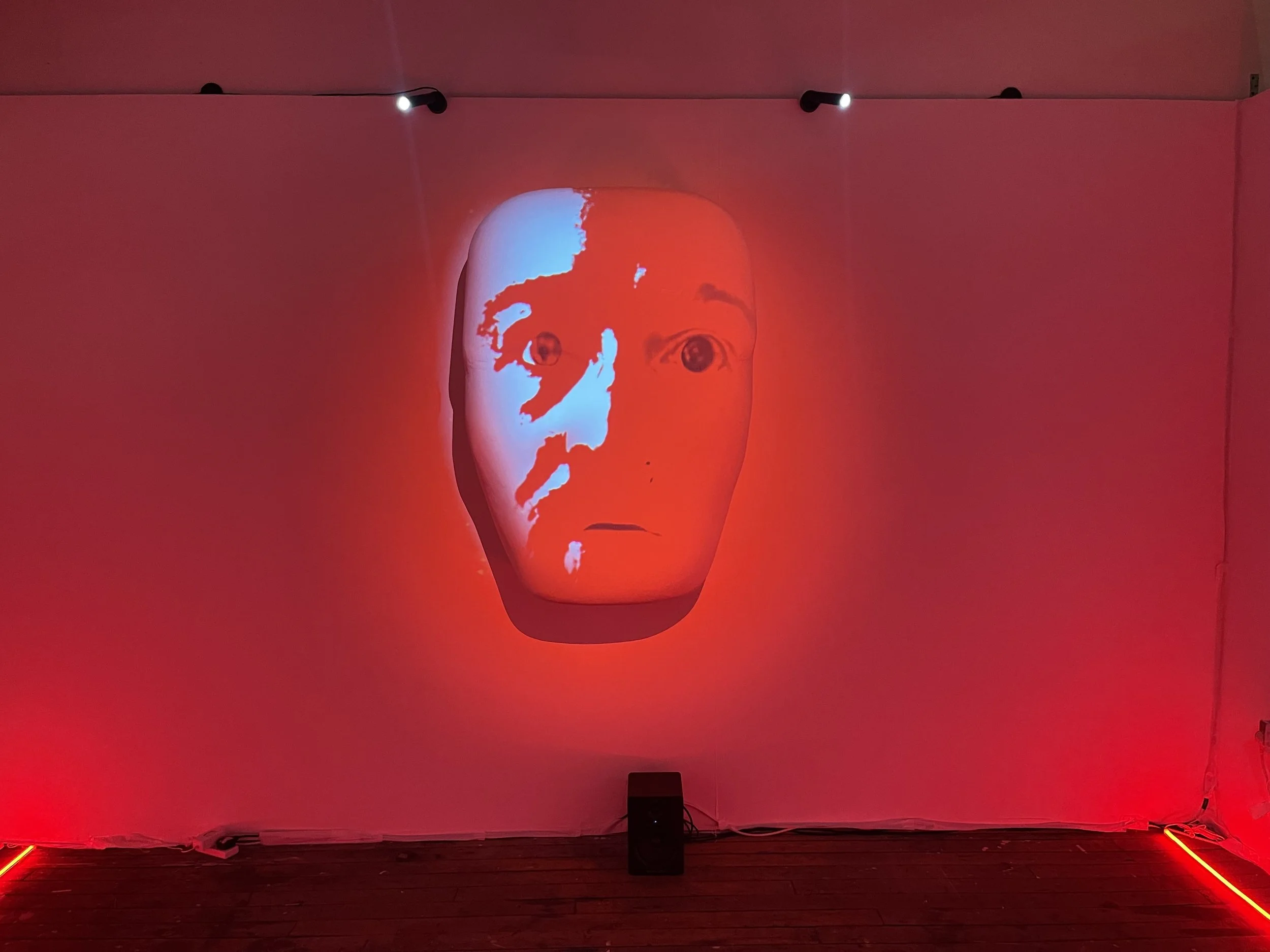
Shannen Muhl
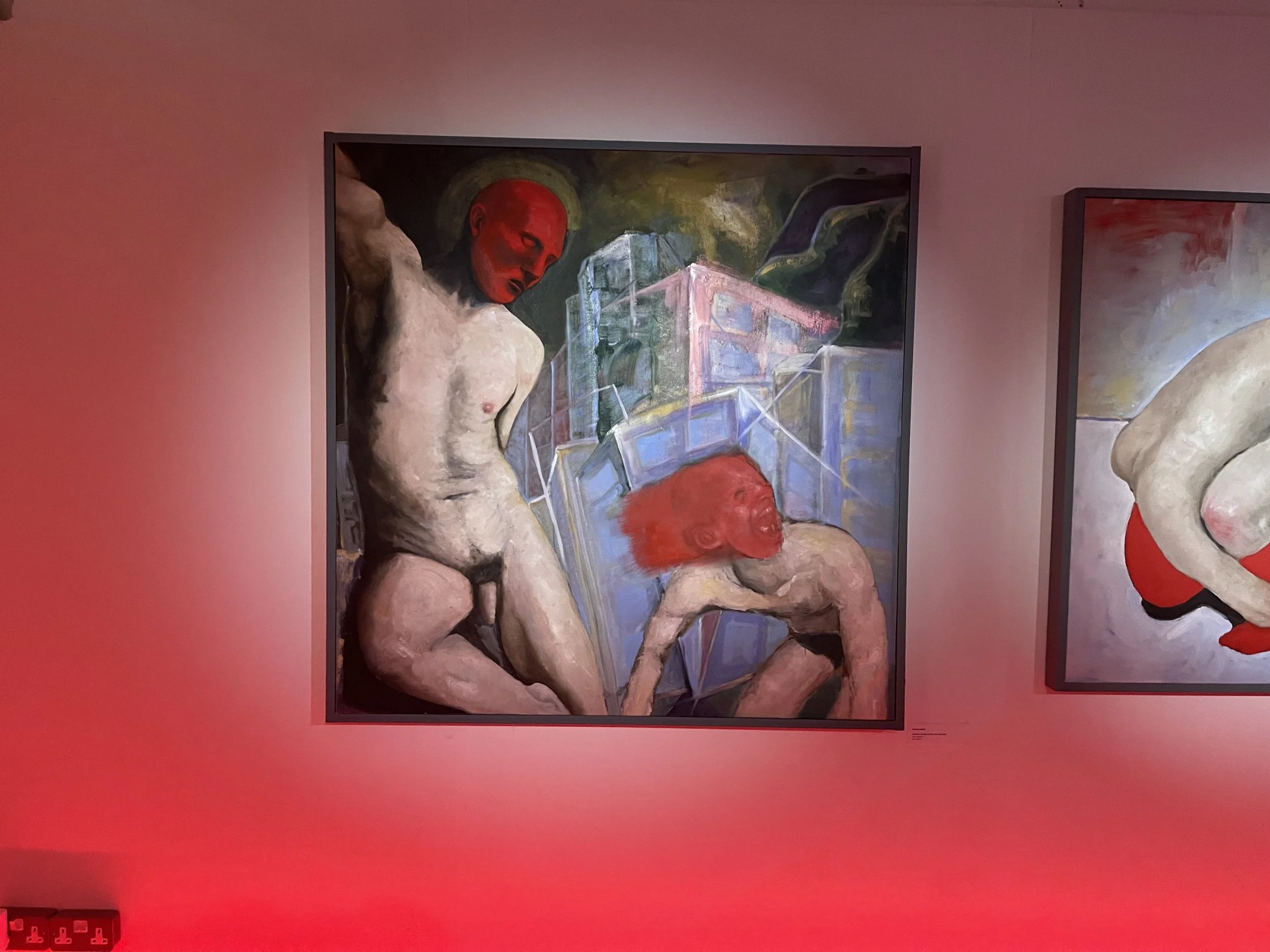
Shannen Muhl is an interdisciplinary artist and art researcher working across painting, digital processes, and installation. Their practice examines how meaning emerges through embodied experience rather than a single fixed interpretation. The human form is a central element of their practice, treated as unstable, compressed, distorted, and in flux rather than as a fixed or representational body. Figures function as sites of pressure, where sensation, memory, and perception are concentrated and distorted through material and spatial conditions.
Alongside their studio practice, their research interrogates how artistic value is constructed, who is granted authority to interpret art, and how hierarchical systems treat the layperson. Theory and making are treated as inseparable, with form, context, and content remaining in constant negotiation rather than hierarchy.
Rather than offering explanation, the work prioritizes encounter. Viewers are invited to engage physically and intuitively before interpretation is imposed. Meaning is not prescribed or elevated by institutional authority but generated through interaction and lived experience. If the work remains unresolved, it is intentional. Uncertainty is positioned as an active and necessary space for interpretation.

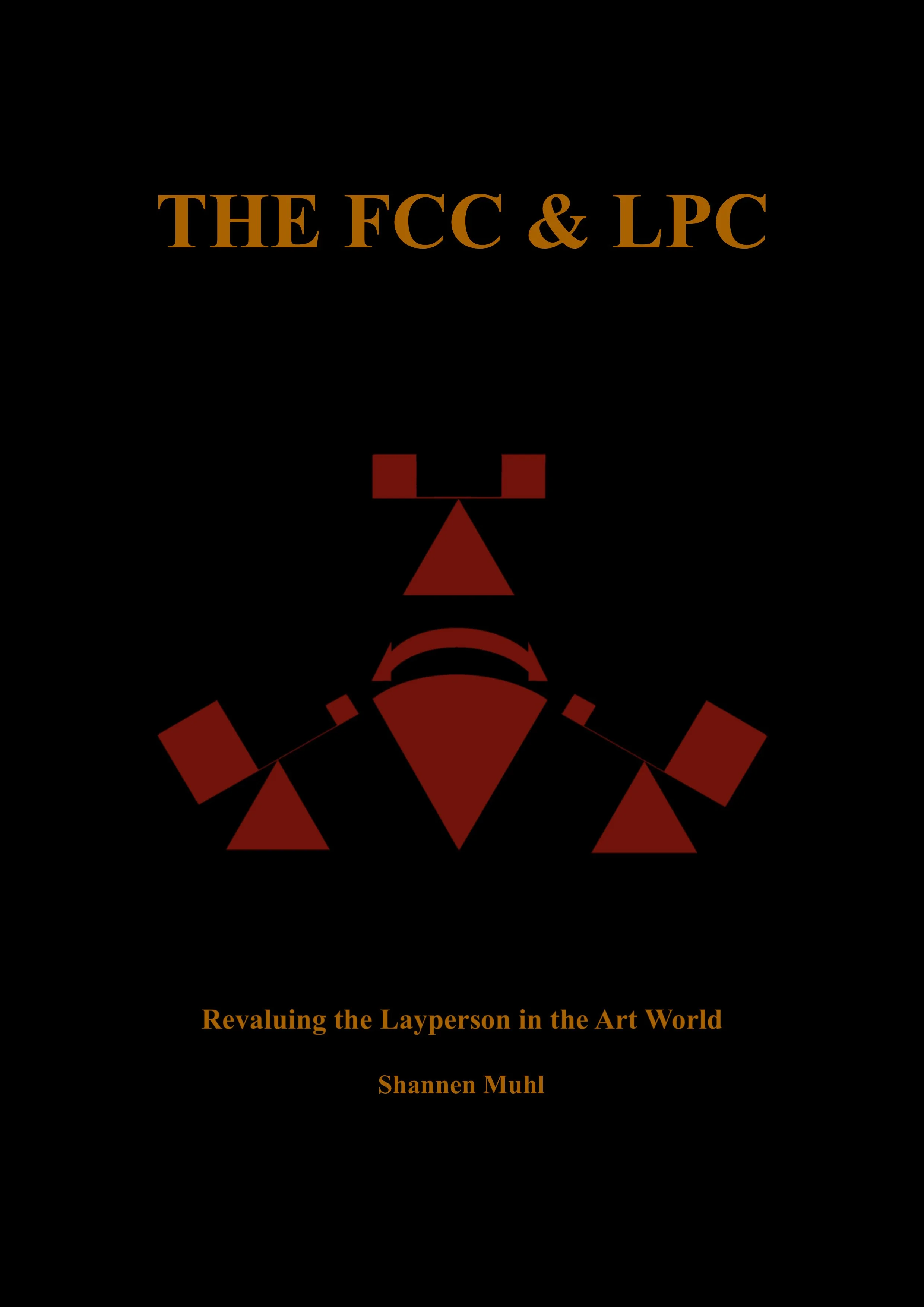
The FCC & LPC
This paper examines the production of artistic value through a critical reassessment of how meaning circulates across institutional, social, and interpretive structures within the contemporary art world. Framing art as fundamentally relational rather than inherently objective, it employs two created models: the FCC scale (Form, Context, Content) alongside the LPC scale (Layperson, Practitioner, Connoisseur) to articulate how value emerges through interaction between artworks, witnessing subjects, and the systems that mediate access. These models reveal the mechanisms through which institutional authority, critical discourse, and economic structures often privilege professionalized and connoisseurial perspectives while marginalizing lay interpretation.
Methodologically, the research integrates theoretical critique with qualitative inquiry, including an interview with a curator at the Gallery of Modern Art in Glasgow. This case study demonstrates how local art establishments operate within shifting economic constraints, ethical expectations, and evolving public roles, while simultaneously reproducing structural hierarchies through curatorial procedures, governance systems, and modes of interpretation. Visual diagrams throughout the study map the relational dynamics of FCC and LPC, clarifying how imbalances in form and context redistribute interpretive authority.
The findings argue that monetary value functions not as a determinant of artistic significance, but as a secondary proxy shaped by market logic. Rather than rejecting institutions or expertise, the research reframes them as participants within a broader ecology of meaning in which the layperson occupies a central, not peripheral, role. Ultimately, the FCC and LPC frameworks offer a reflective toolset enabling artists, institutions, and audiences to recognize how decisions regarding form, presentation, and discourse structure inclusion, access, and cultural legitimacy. In doing so, the research advocates for a recalibration of art valuation that prioritizes cultural, experiential, and relational significance over authoritative, financial, and institutional validation.
Click the image to read further
Secret Words in Red
This heart is sore. I spoke my years, through recalling unburied truths hidden, and now done. This heart isn’t silent. I’m still more yellowed.
Scars tell only reckless yesterdays I lived in. Various ended days, pressure accumulated in nerves.
Art never dissolves.
Want expresses anxiety privately today.
After nothing done, walking into something held to observe.
Endings stayed closed and pulled east to obscurity, and not explained why.
Lingering in frantic expectation. This, held in silence, I stayed marked young, through ruined unsaid things held.
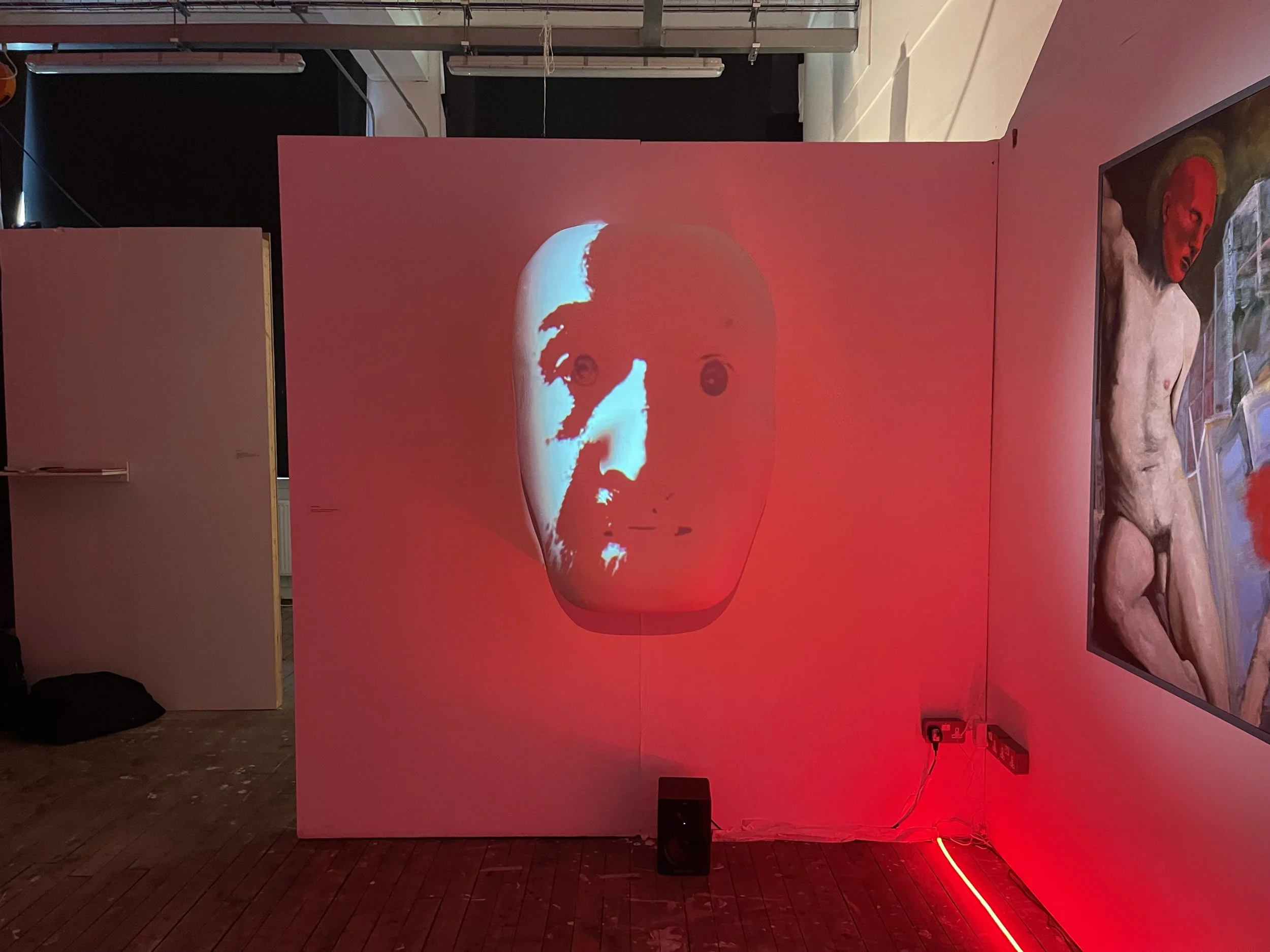
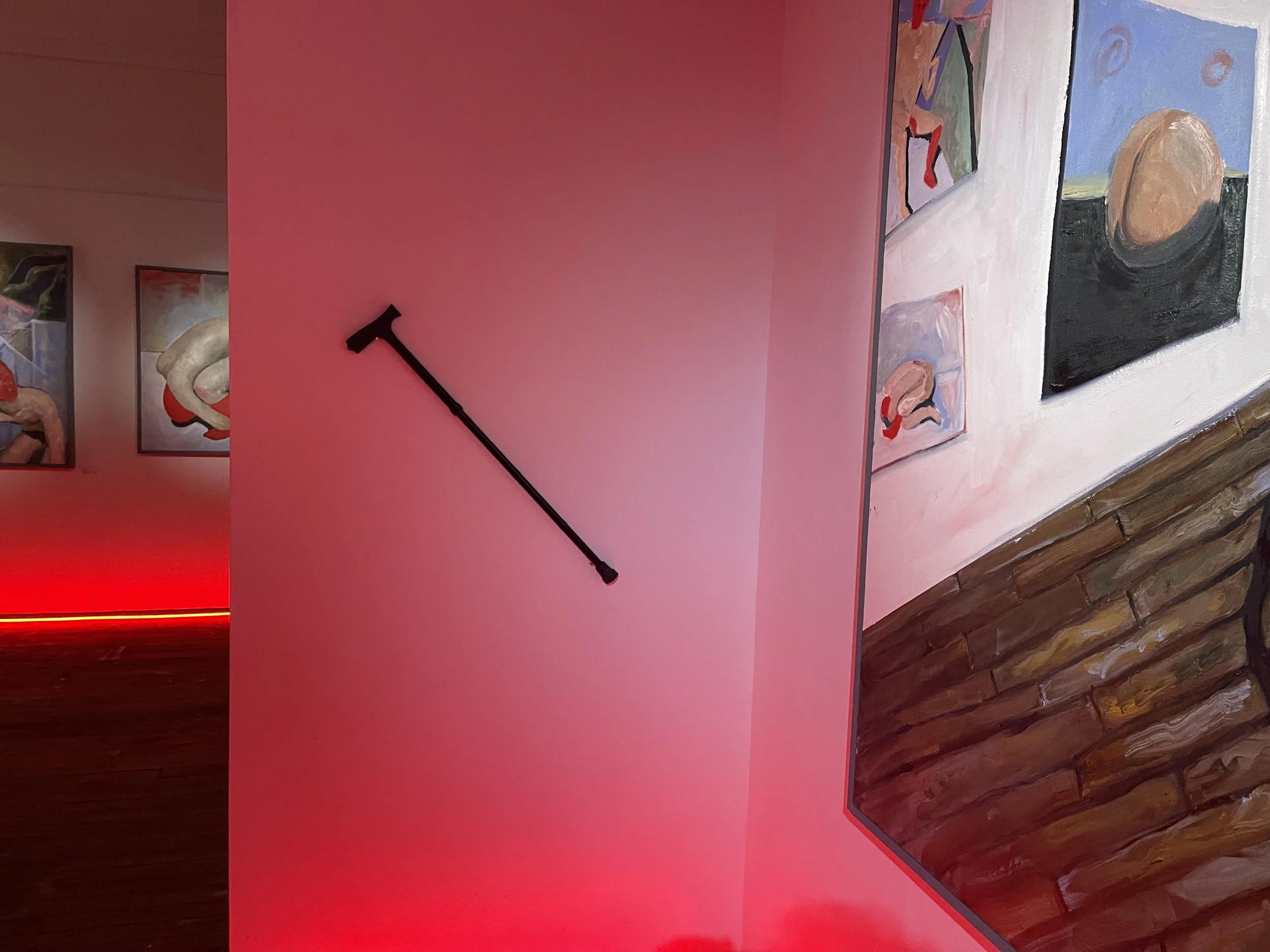
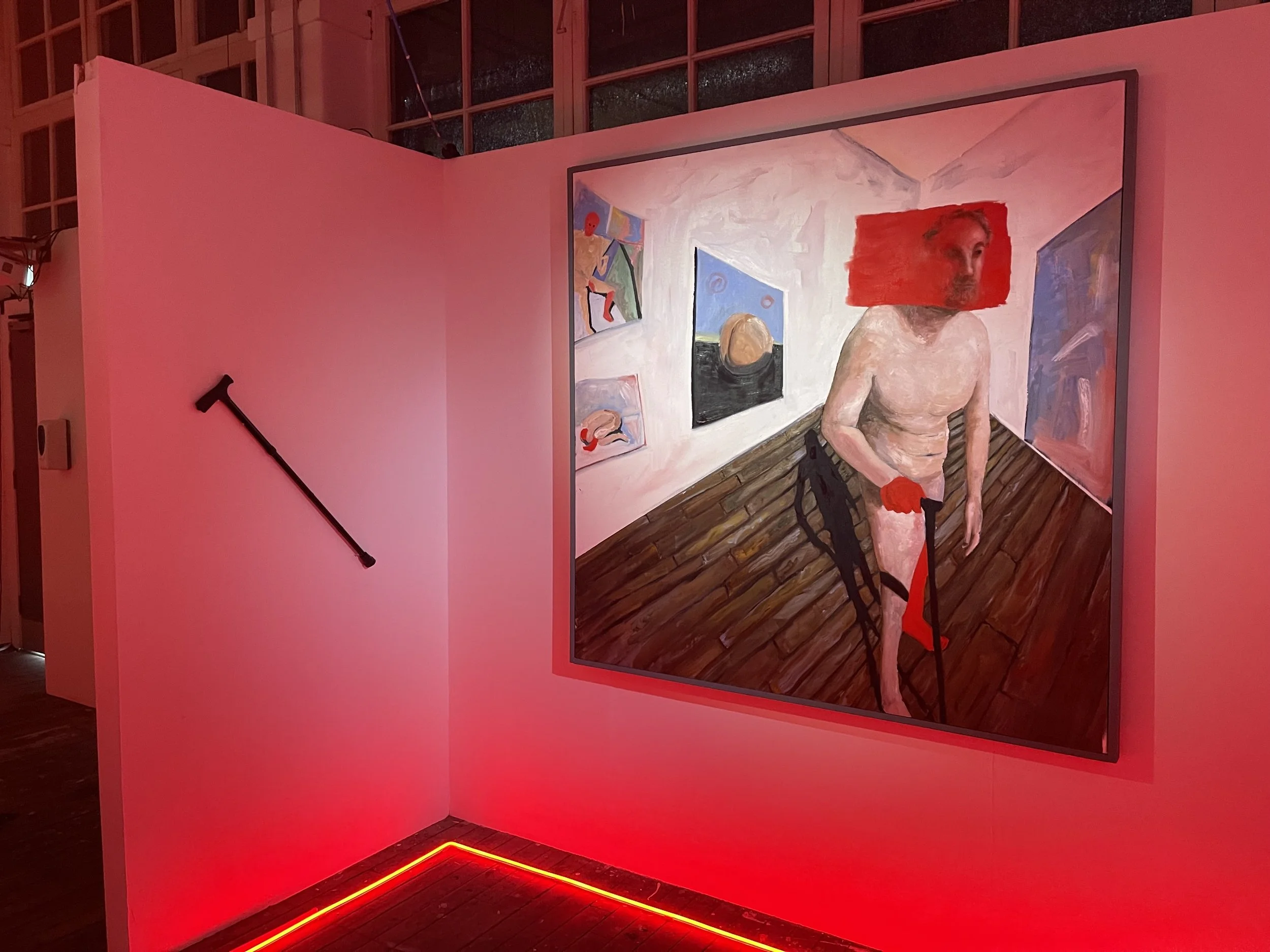
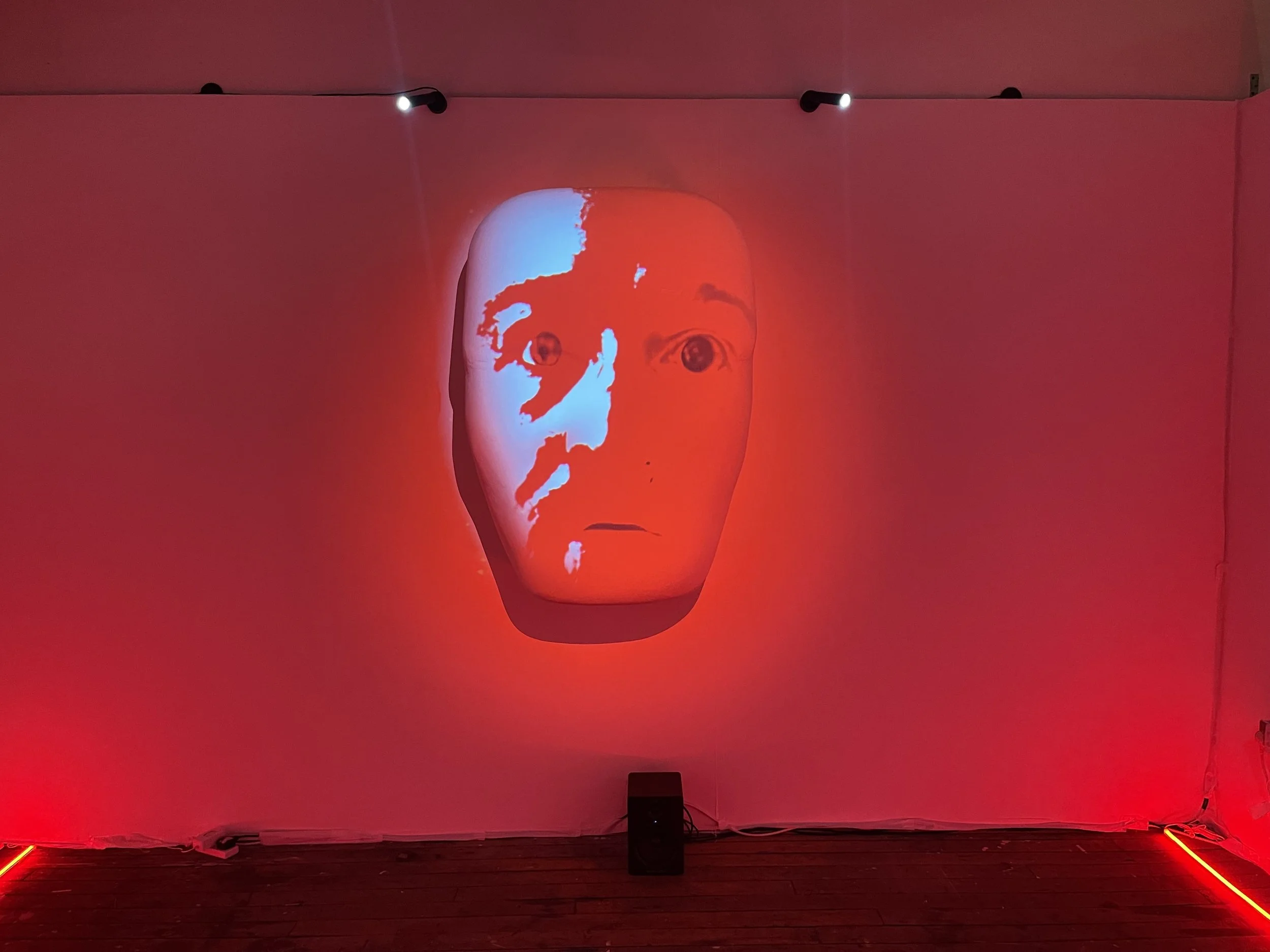
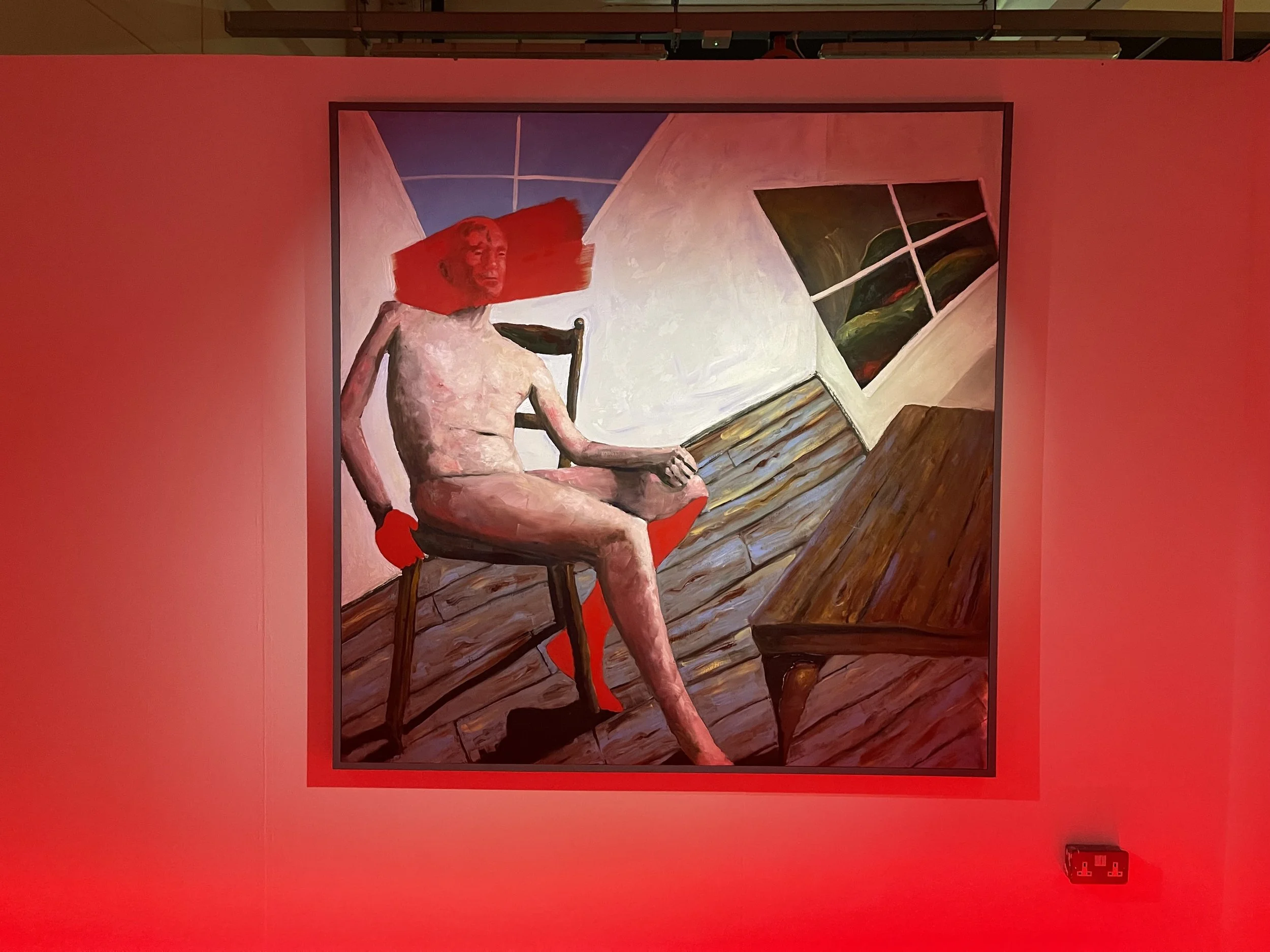
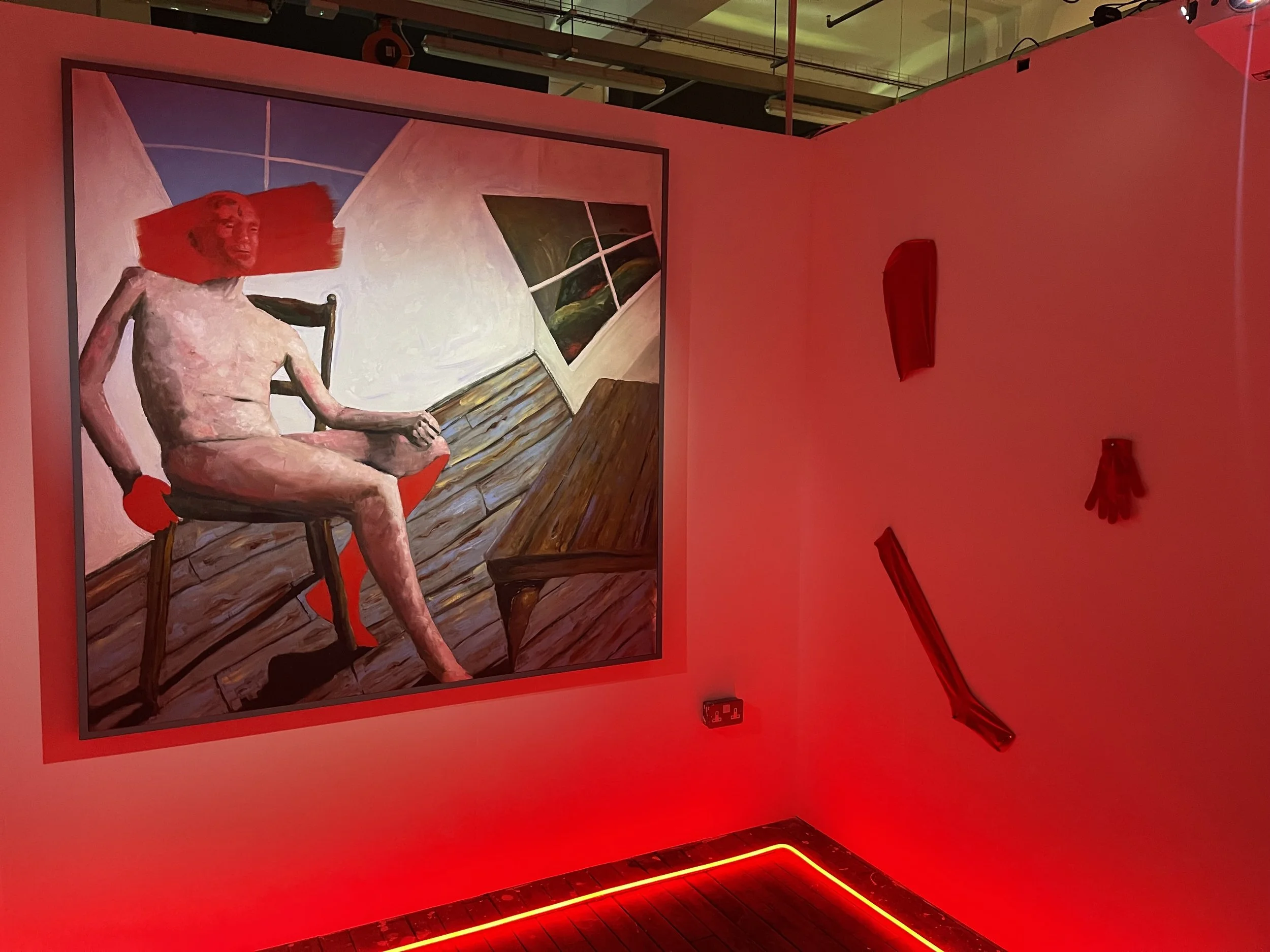
-
![]()
Handing Over Lingering Doubt Over Nothing
70cm x 70cm oil on canvas 2025 (sold)
-
![]()
Patterns Open New Directions, Emerge Resistant
46cm x 91cm oil in canvas 2025 (sold)
-
![]()
Habits In Darkened Enclosures
46cm x 91cm oil on canvas 2025 (sold)
-
![]()
We Are Not Done Ever Reaching Far and Roam
153cm x 153cm oil on canvas 2025
-
![]()
Open Palms Expose Nerves Under Pressure
153cm x 153cm oil on canvas 2025
-
![]()
Nothing Outside Governs Our Daily Steps
153 cm x 153cm oil on canvas 2025
-
![]()
Long Evenings to Get Obscure
153cm x 153cm oil on Canvas 2026
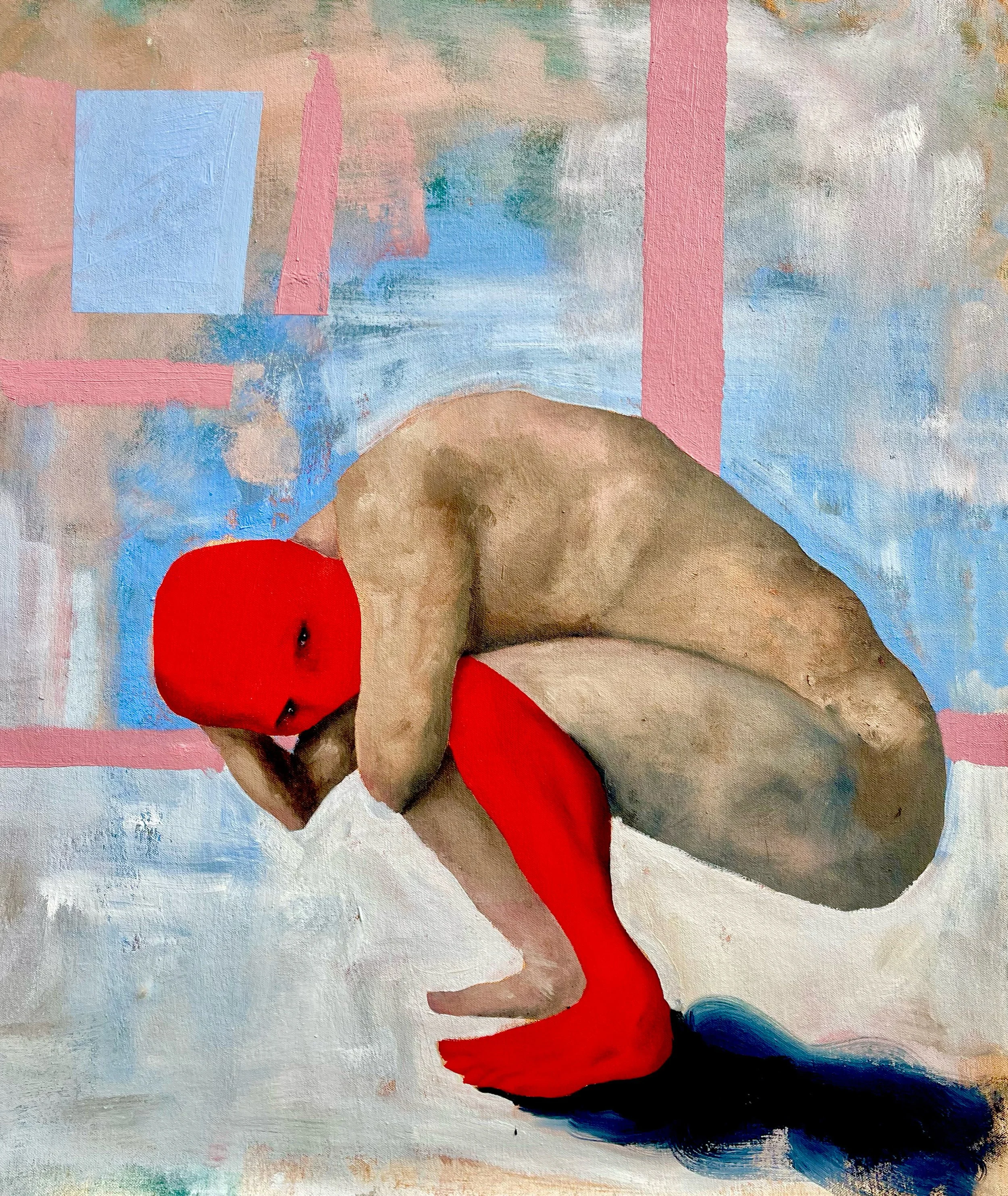
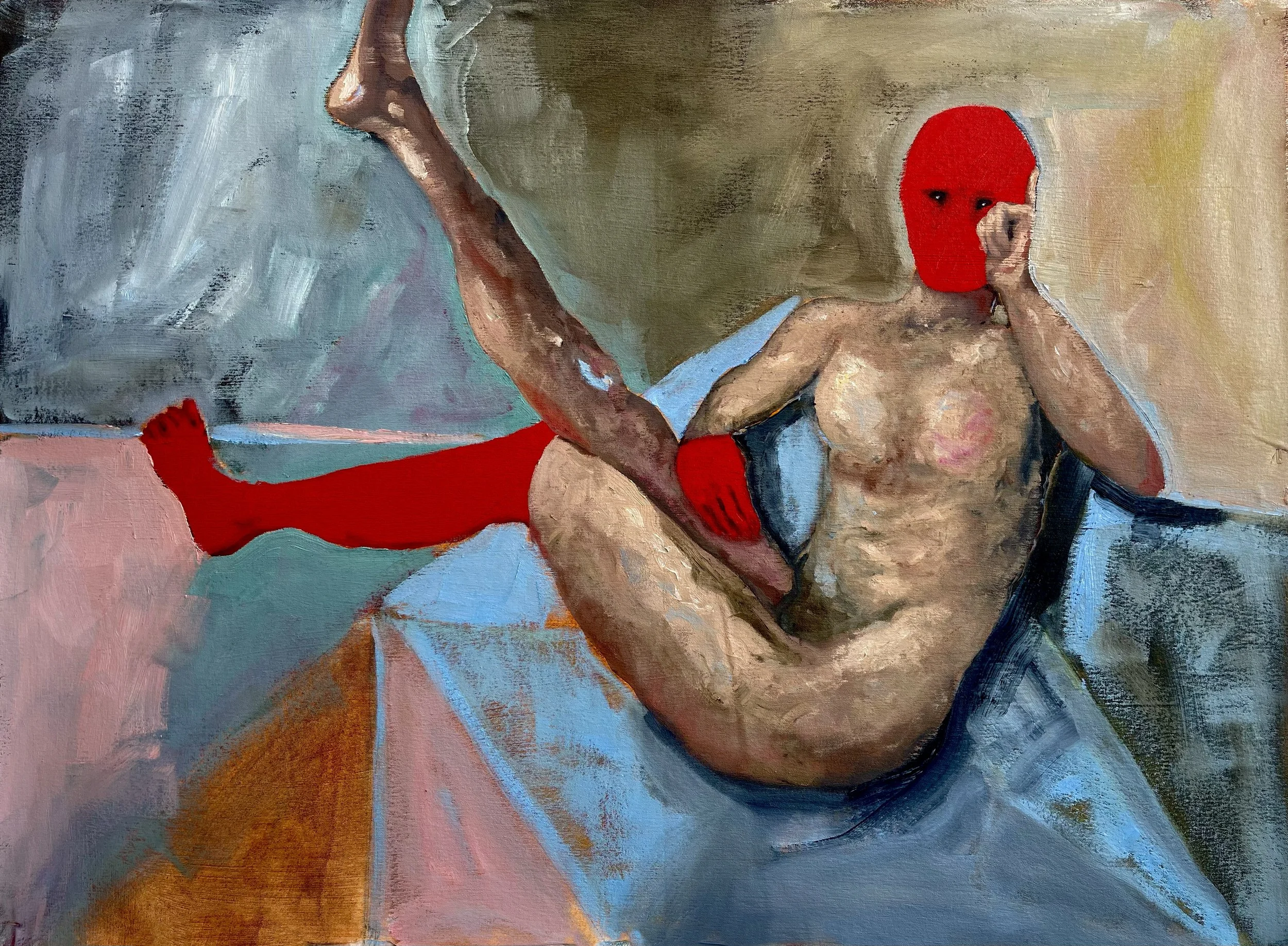
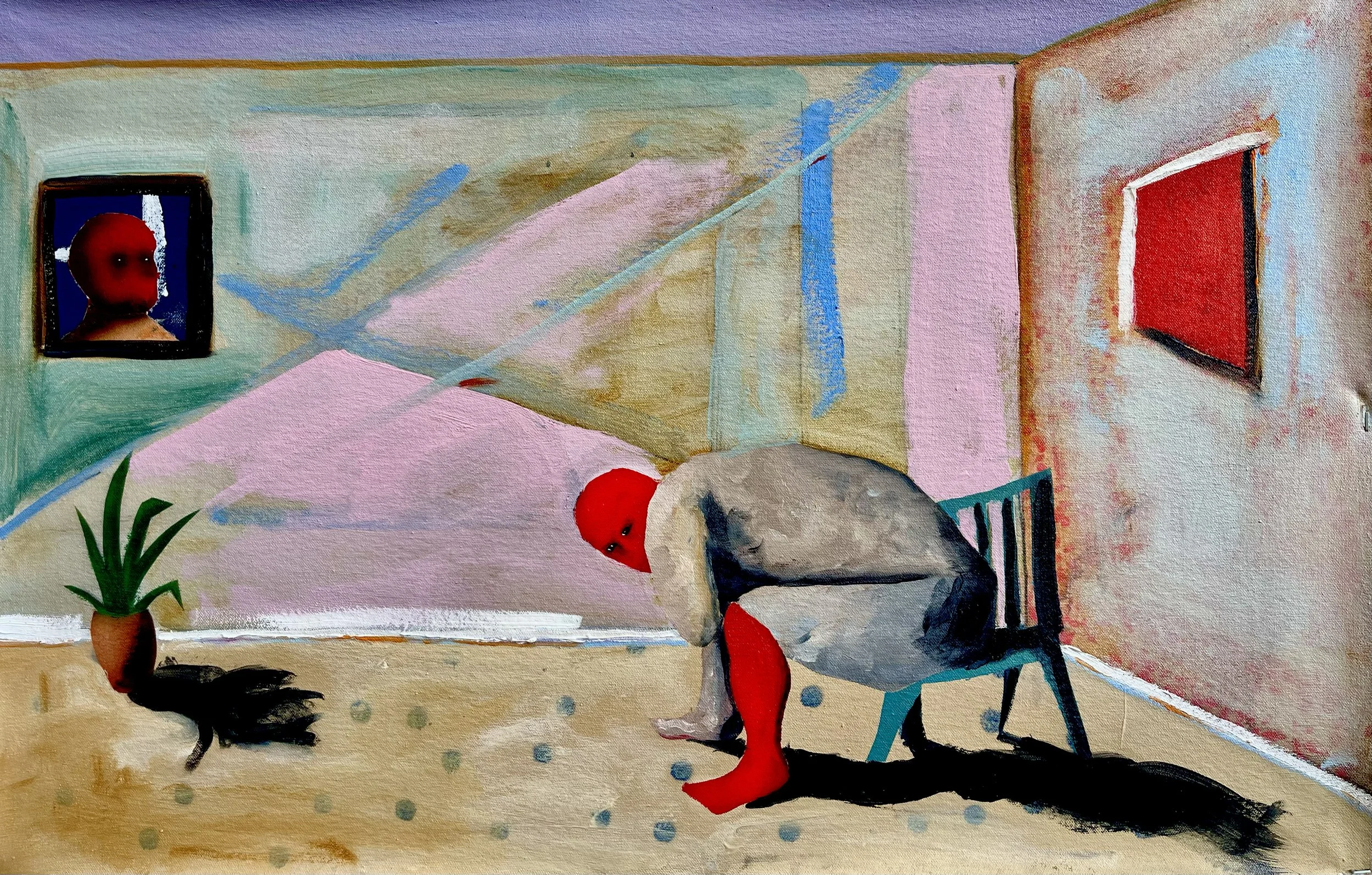
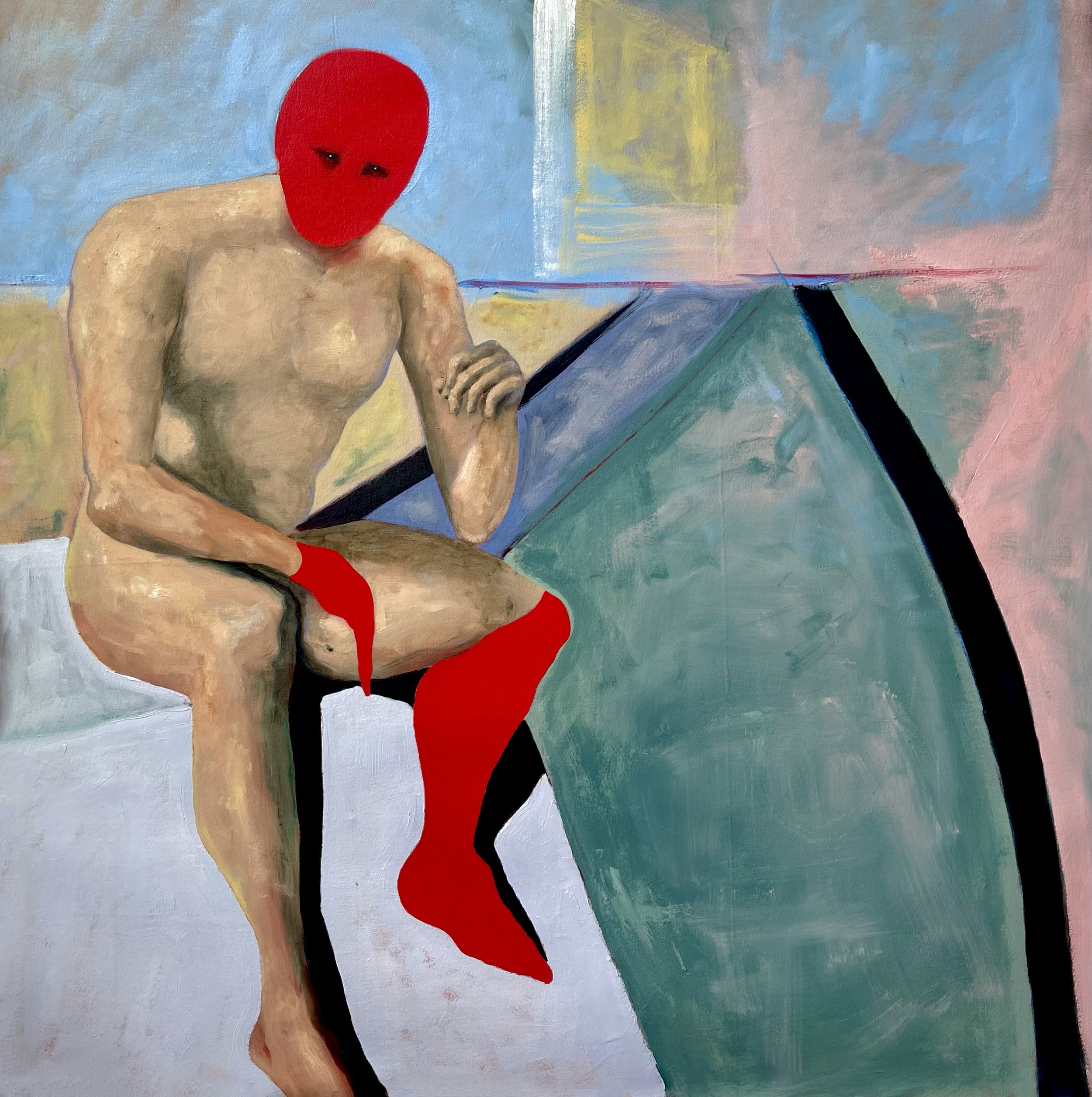
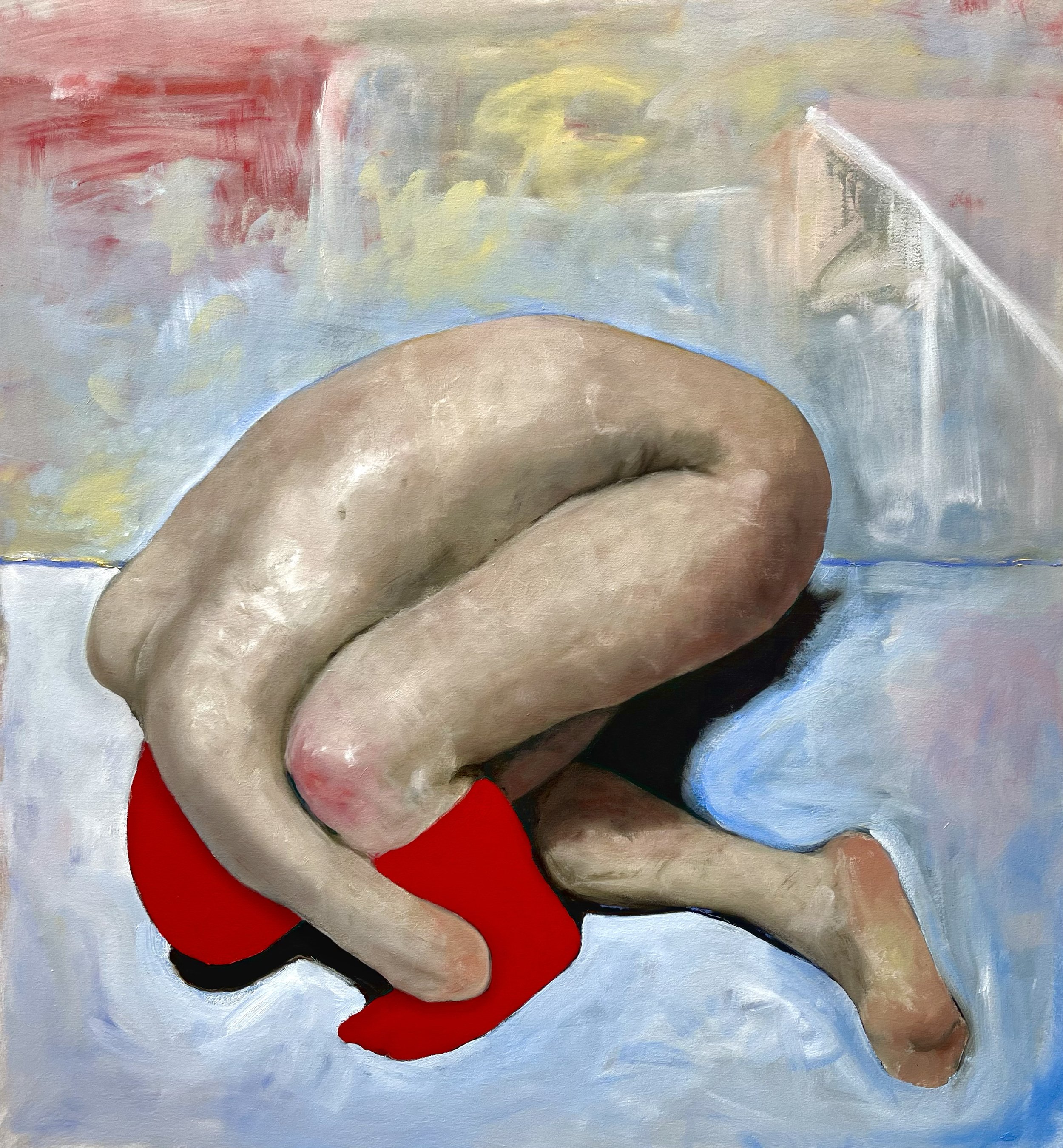
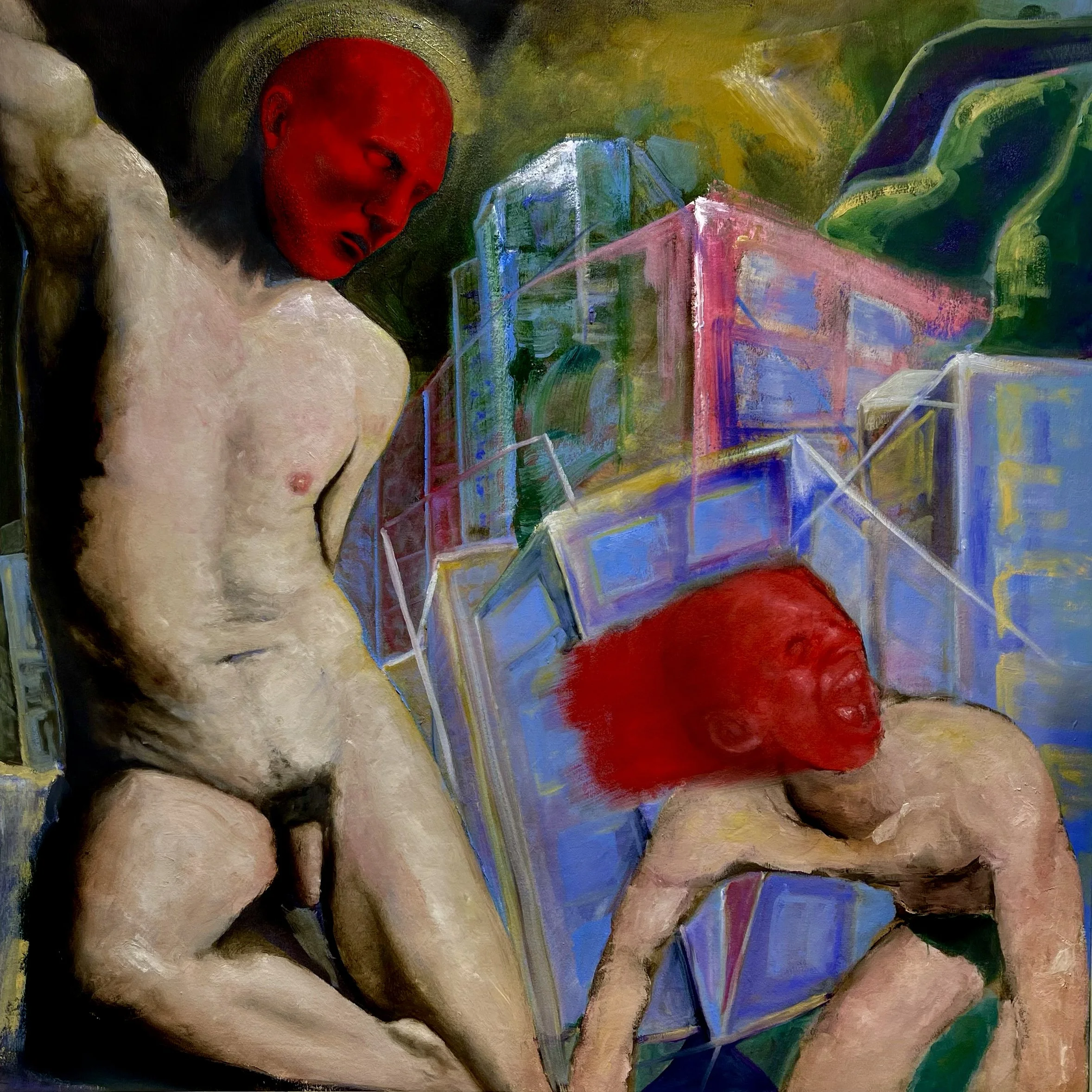
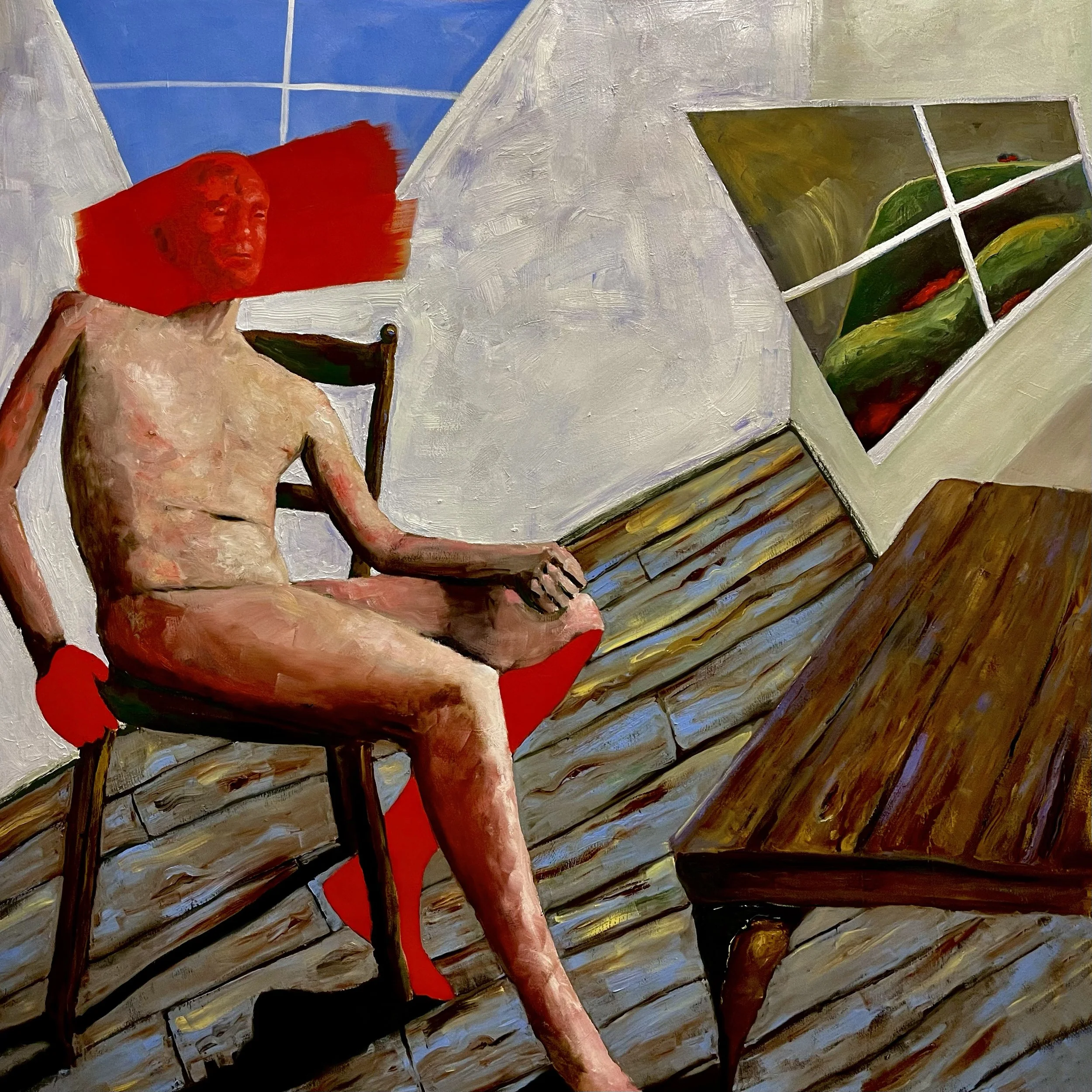
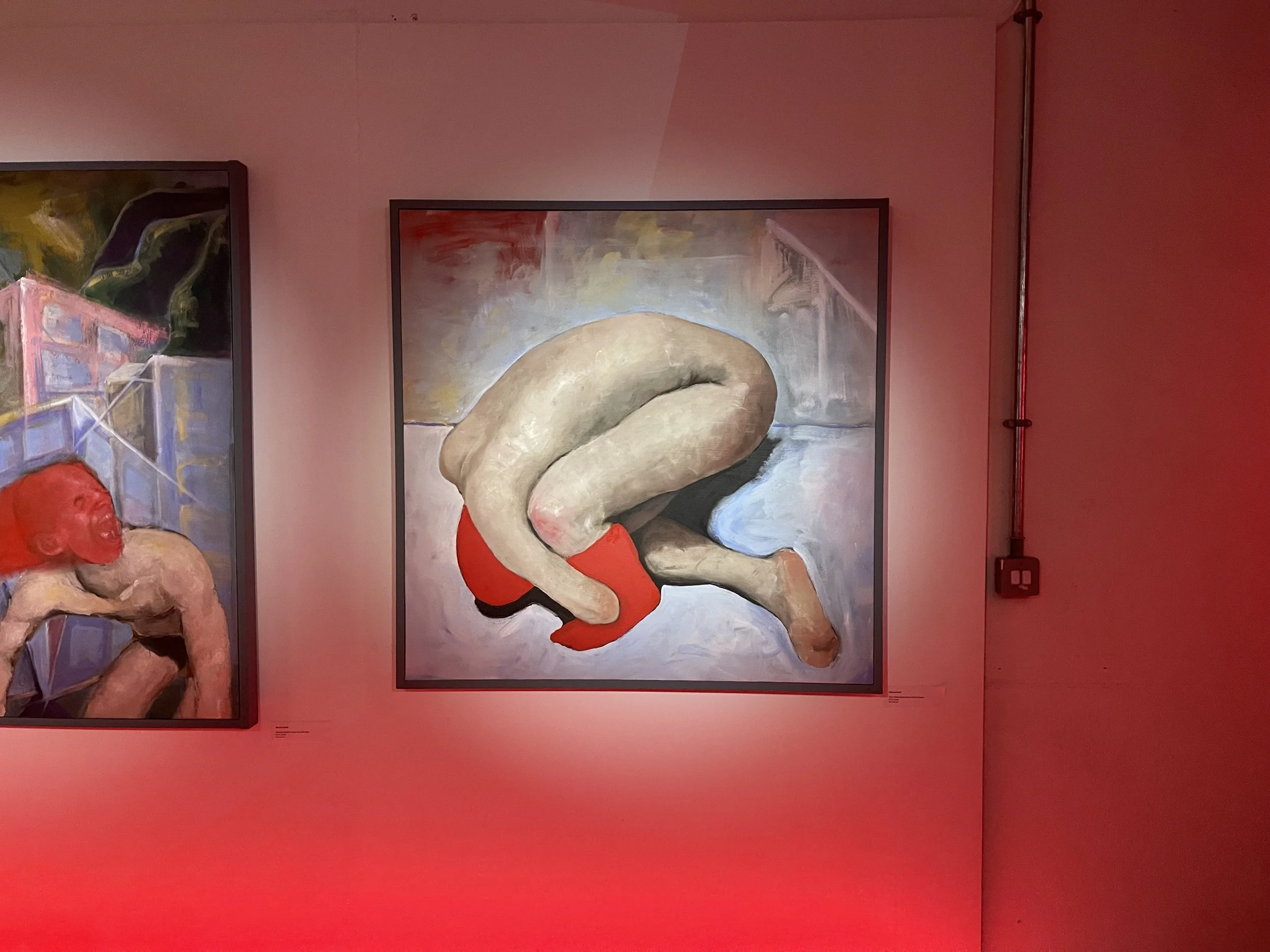
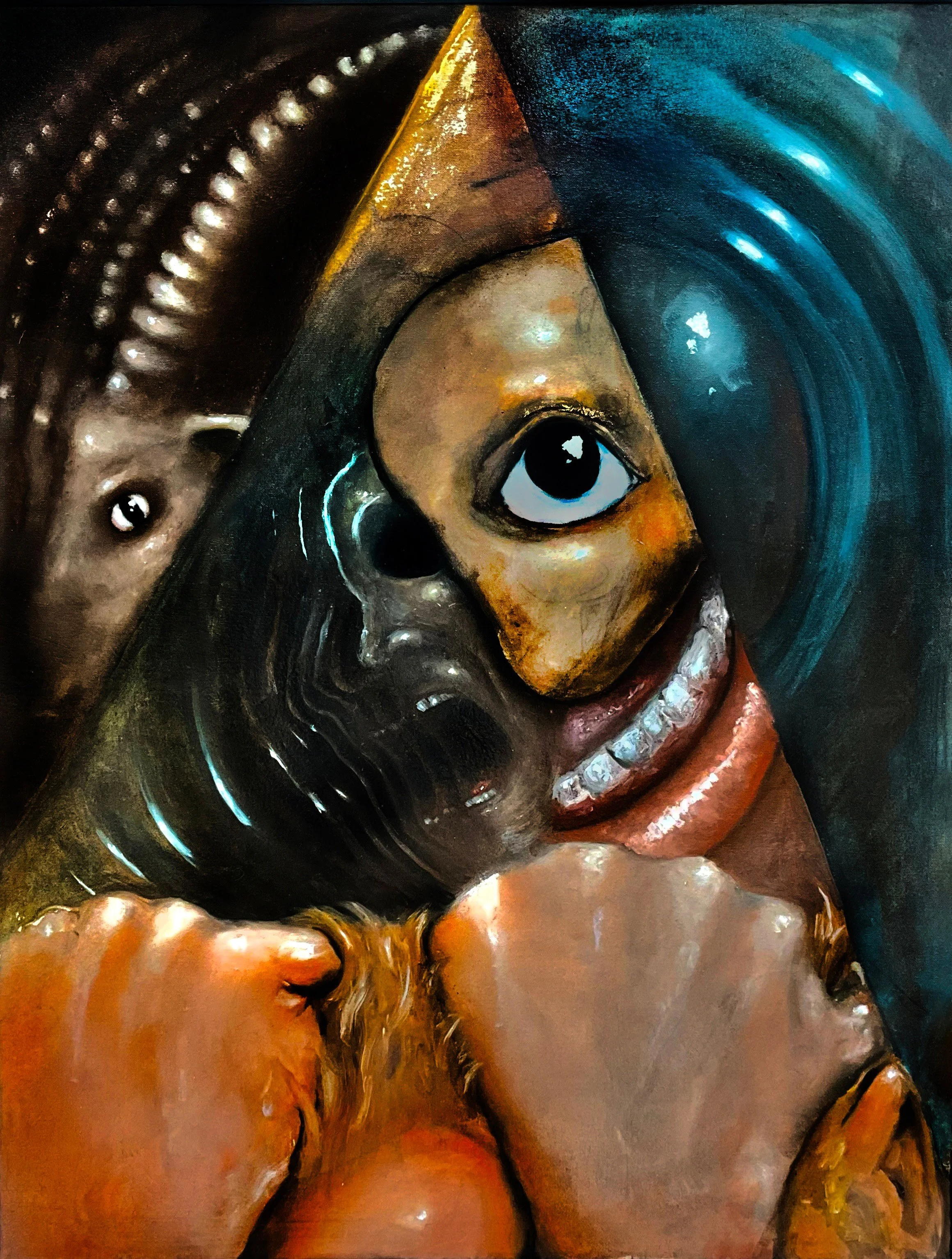
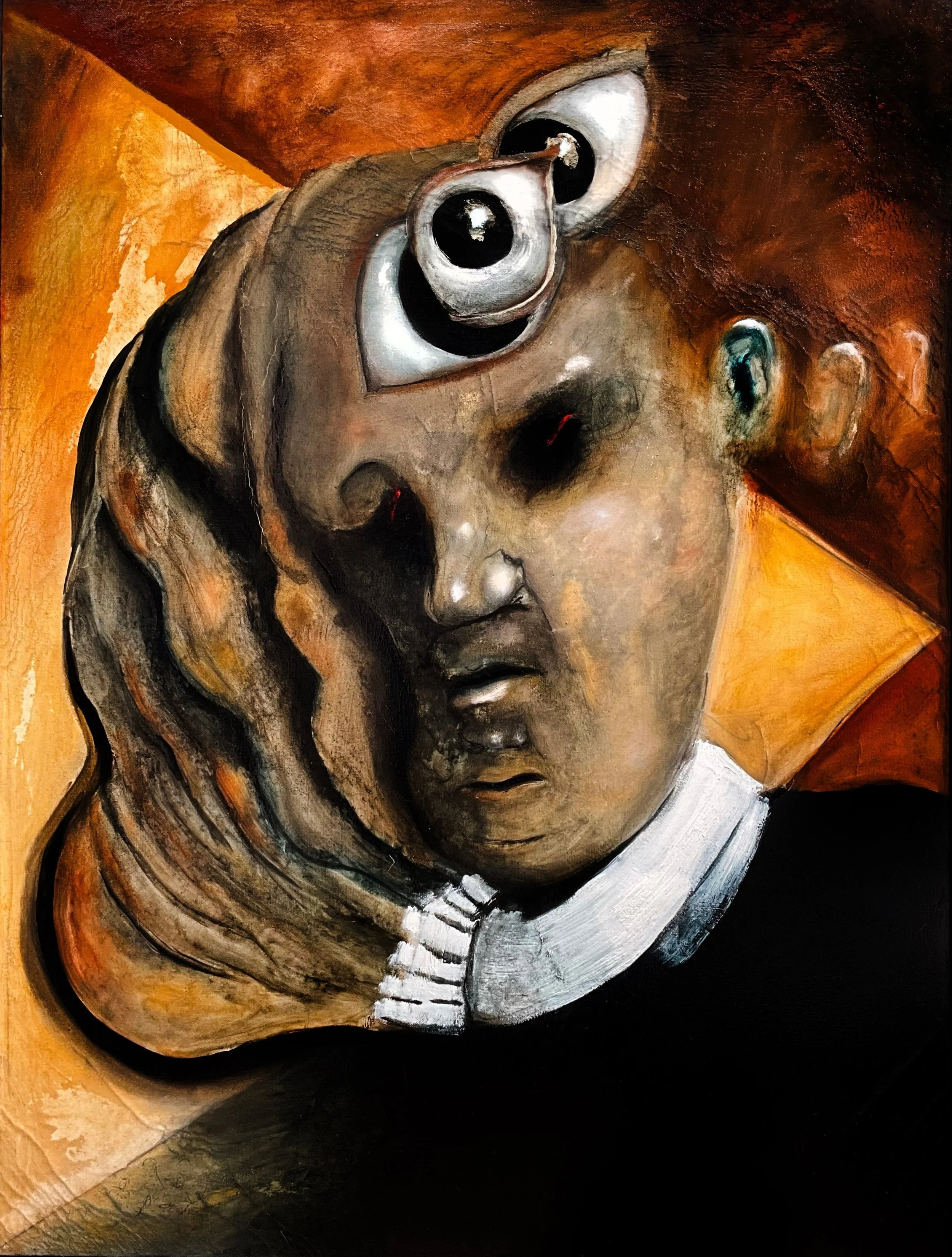
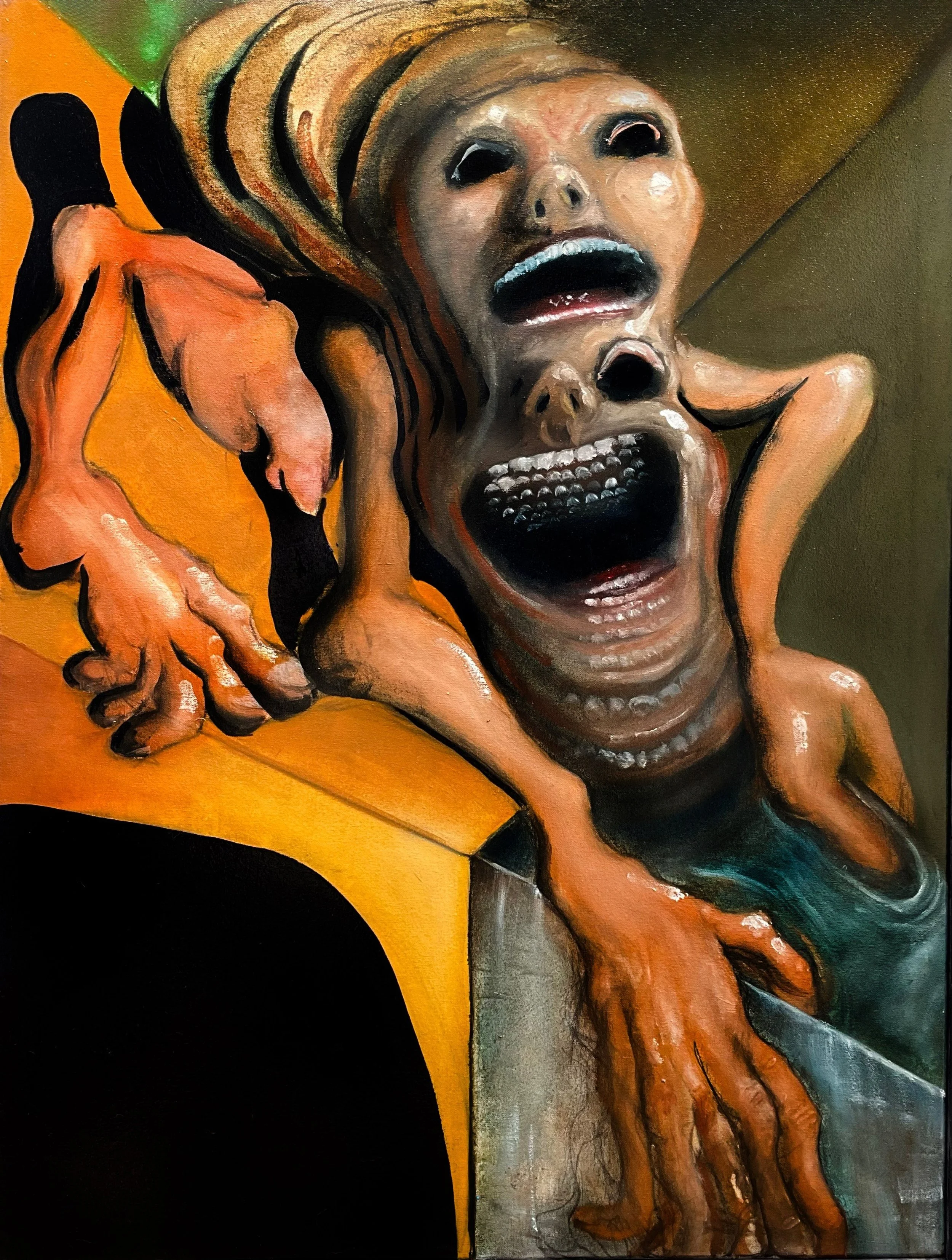
An investigation into what I term the "animalistic default mode," a primal, instinctual drive to retreat into a compacted, fetal form during moments of extremity. This response, triggered by extreme trauma, comfort, or pleasure, reflects the body’s oldest survival programming. It recalls the embryonic origins of the human form, but within this context, the fetal gesture is not about regression, it is the seed of transformation.
The series unfolds as a progression, tracing the evolution of the self in the aftermath of rupture. The early works embody the moment of compression: the immediate, reflexive retreat inward. Forms are dense, folded, suspended in chromatic voids that echo the disorientation of trauma. As the series develops, the figures begin to shift and evolve. Compression gives way to subtle motion: ripples, torsion, asymmetry, but the figure evolves into a more recognizable form, hinting at internal restructuring. A new psychic form is assembling itself in the dark.
By the final works, the self is no longer simply surviving, but actively reconstituting. The compressed body becomes a new being entirely. Instinct and abstraction collide to form something new and more whole. Unbalanced horizon lines introduce a sense of pulse, of becoming. The paintings do not resolve neatly, but they gesture toward a threshold where a new self forms.
Inner, Outer, Center,Self
-
![]()
Wόn
183cm x 152cm oil on canvas 2024
The psychological self at its most raw and unformed. A being freshly cast into existence by trauma. The moment just after impact, when a new self begins to form not by choice, but by necessity. The Ὠόν here is not gentle or generative, it is a pressure vessel, a closed space where fragmented instinct, emotion, and survival reflex begin to reorganize into identity. This is the pre-articulated psyche, suspended in abstraction, radically responding to the violence of becoming. Exploring compressed, ambiguous forms as expressions of internal rupture, and positions the work within a conceptual framework where formation is not natural but reactive, a response to rupture, a shell grown around fracture. A beginning from chaos.
-
![]()
Phanes En Gignesthai
183cm x 152cm oil on canvas 2024
The psychic moment where the self, ruptured by trauma and compressed under survival, begins to reassemble. It exists between collapse and coherence. The form begins to fracture and form. The wet clay begins its new shape. Referencing Phanes, the first Orphic god born from the cosmic egg, the initial surge of becoming; a state where identity is not yet structured, but is actively forming. Phanes is not rendered here as a divine being, but as a psychic event: the violent, luminous birth of self-awareness in the aftermath of obliteration. The figure pulses with tension. The edges waver. The surface breaks. A presence, once buried, begins to press outward. It is not yet formed, but it is visible. This painting lives in that flickering threshold. The moment the self begins to remember it exists. It doesn’t depict clarity or healing, but the raw act of reformation: unstable, radiant, and irrevocable. Phanes En Gignesthai is the first unstable breath of a self that refuses to stay buried.
-
![]()
Chrysou Genesis
183cm x 152cm oil on canvas 2025
The mentally adolescent self, an unstable yet radiant stage charged with finding new identity from emotional extremes, and a hunger for meaning. This is the spark of self awareness, where the mind changes rapidly and the psyche begins reaching outward. It reflects the intensity of becoming creative, volatile, and idealistic; mirroring the mythic birth of Apollo as both beautiful and dangerously powerful from the moment of arrival. The title, Chrysou Genesis: “Golden Origin” a reference to the mythic birth of Apollo, the radiant god of prophecy, music, and order. Here, Apollo is not a perfected symbol of beauty, but a metaphor for the self striving toward coherence, longing for balance, and searching for truth in the chaos of its own history. This is the articulation of a self that remembers its collapse, carries its shadow, and still dares to form something radiant. It is the moment the psyche stops trembling in the dark and starts building itself again.
-
![]()
Glaukopis Emanation
183cm x 152cm oil on canvas 2025
The beginning of self maturing, where cognitive discipline, and strategy take precedence. It reflects the integration of wisdom through a lived experience, critical thinking, and new emotional complexity. This stage is about clarity of purpose, self regulation, and navigating the world with intention. Glaukopis Emanation marks the moment when the self begins to see with clarity. Drawing from the epithet of Athena, the bright-eyed goddess of wisdom, this painting captures the emergence of the cognitive self; the part that analyzes, strategizes, and begins to direct its own reconstruction. This is not a return to wholeness, but the beginning of agency. The mind is still marked by compression, but it holds itself with awareness. The instinct driven being of earlier works has evolved, now it observes, calculates, and begins to shape its own becoming. Now becoming a focused projection of selfhood rather than an uncontrolled burst. Visually, the form carries structure, tension, and a sense of readiness. It radiates not chaos, but control.
-
![]()
Thanatotokia
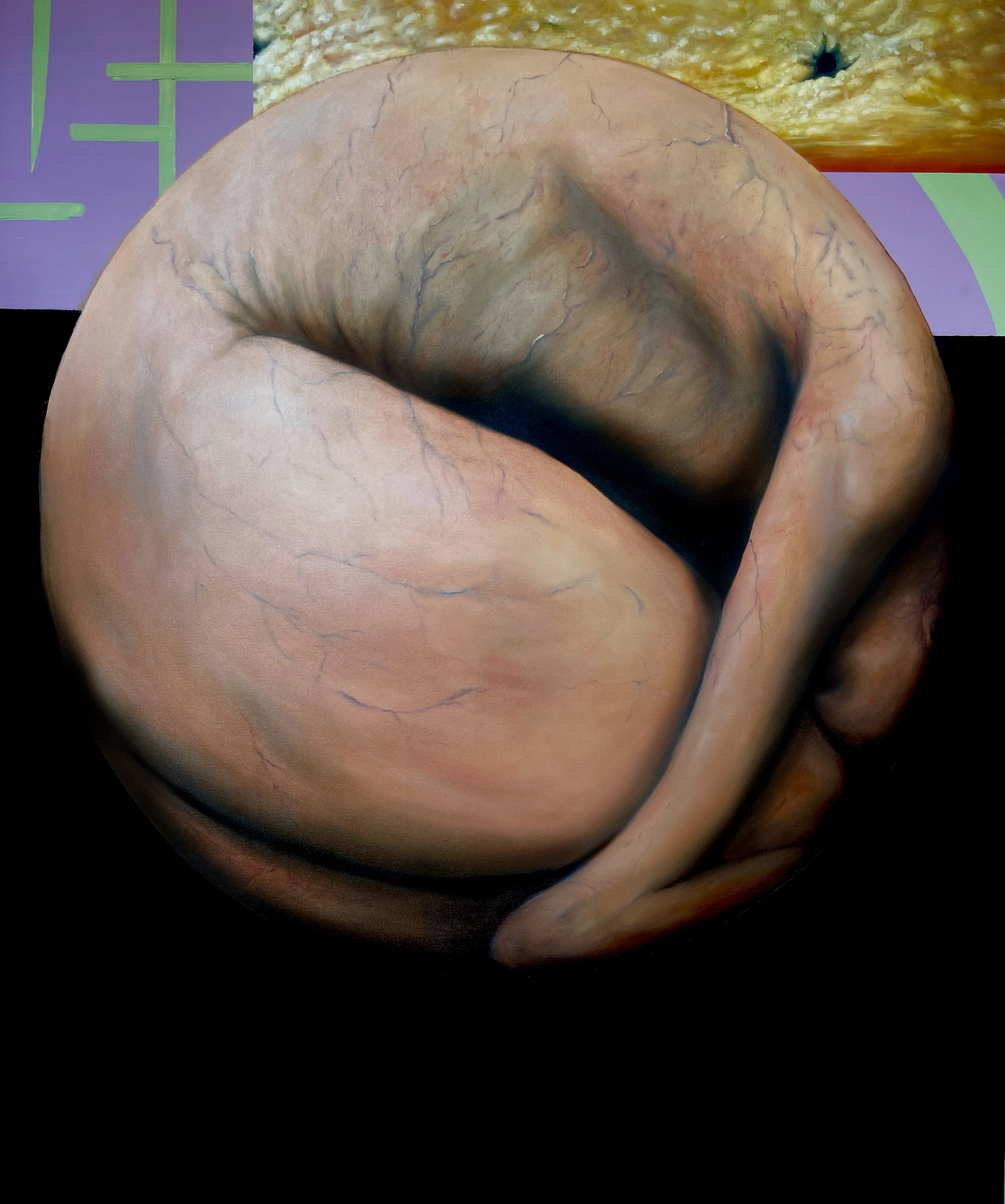
183cm x 152cm oil on canvas 2025
A moment of extreme psychic tension; a threshold between death and the birth of a new self. Drawing from the mythic birth of Hades, god of the underworld. The self is not gently transformed, but dragged into becoming through the internal collapse of the old. It captures the final stage of psychic compression, when the old self has nearly died but has not yet released the new form. Visually, the body is curled, veined, and clenched a deathly shell of flesh containing a smoldering coal. The figure doesn’t represent new life in the traditional sense but the emergence of a consciousness forged in the aftermath of trauma, a self that could only exist because the former one didn’t survive. The figure is a tomb and a womb simultaneously. It gives context to the flesh as both container and evidence; the skin of the old self wrapped tightly around the genesis of the next. The myth of Hades doesn’t end in joy or closure; it hovers in the trauma of transition, the brutality of transformation, and the sacred violence of becoming something that has never existed in one’s self before.
-
![]()
Νέος (Neos)
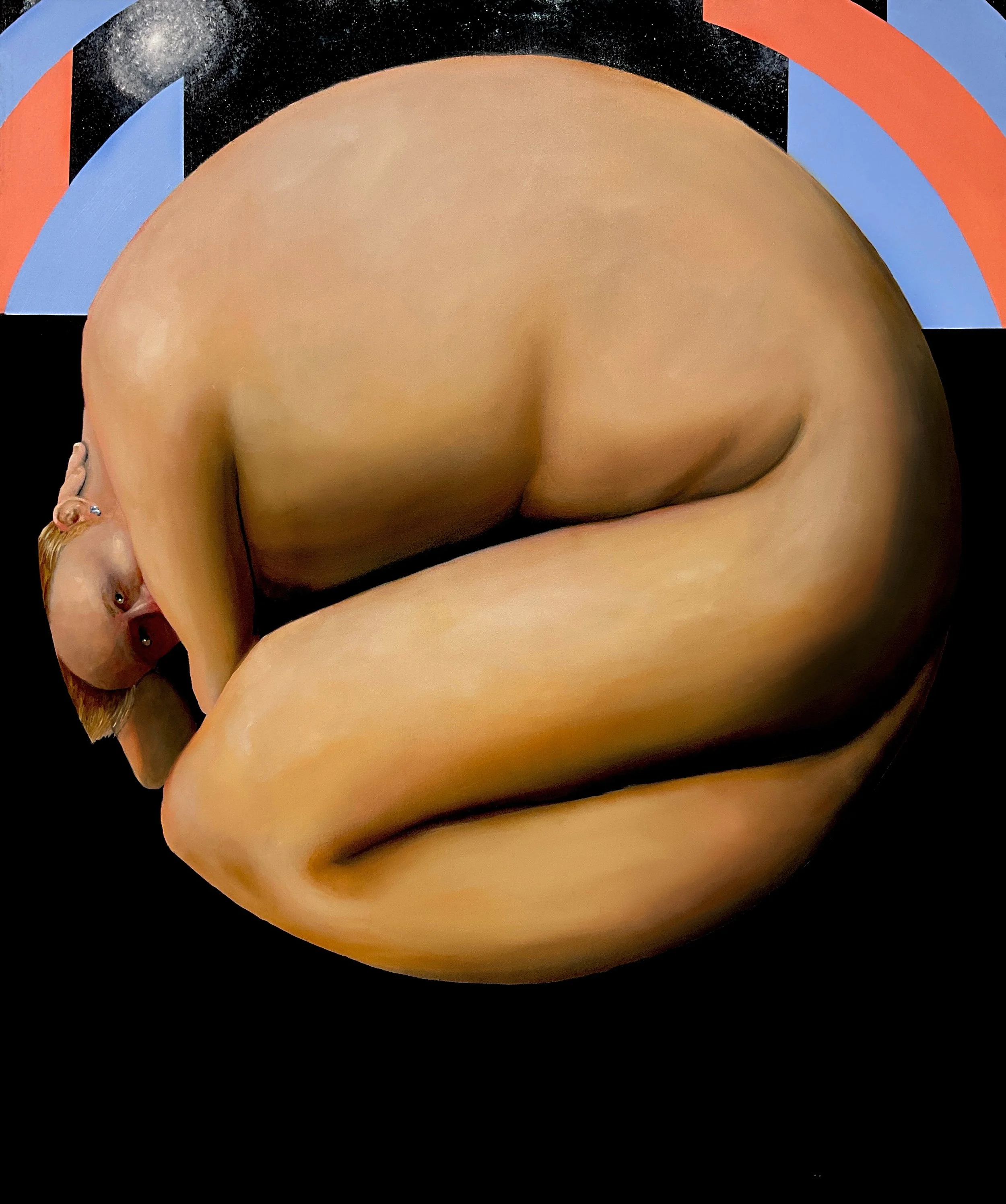
183cm x 152cm oil on canvas 2025
The final evolution of the new self. The emergence that follows obliteration. Neos embodies the moment of reconstitution after the death of the old self, when consciousness begins to inhabit its new form and the old skin sheds. The compression that once suffocated has become the vessel that incubates renewal. The body is still folded, yet no longer in defense it gathers strength. Two eyes meet the gaze of the viewer, aware of being seen, aware of existing. The figure’s engagement is neither confrontational nor pleading; it is an acknowledgment, a quiet recognition of mutual presence. This awareness signals the return of agency, the reclamation of selfhood that no longer hides within trauma but stands in dialogue with it. The form begins to unfurl beneath a night sky scattered with galaxies, each star echoing memory and continuity. The darkness, once devouring, now breathes with fertility. The figure sits at the edge of standing, suspended in the brief stillness before motion. The psychic energy that carried through the previous works finds equilibrium here; what was once chaos, radiance, wisdom, and death now resolves into coherence. Neos represents the reborn consciousness self-aware, unburdened, and quietly powerful. The cycle has turned inward and completed itself. The witness remainsere


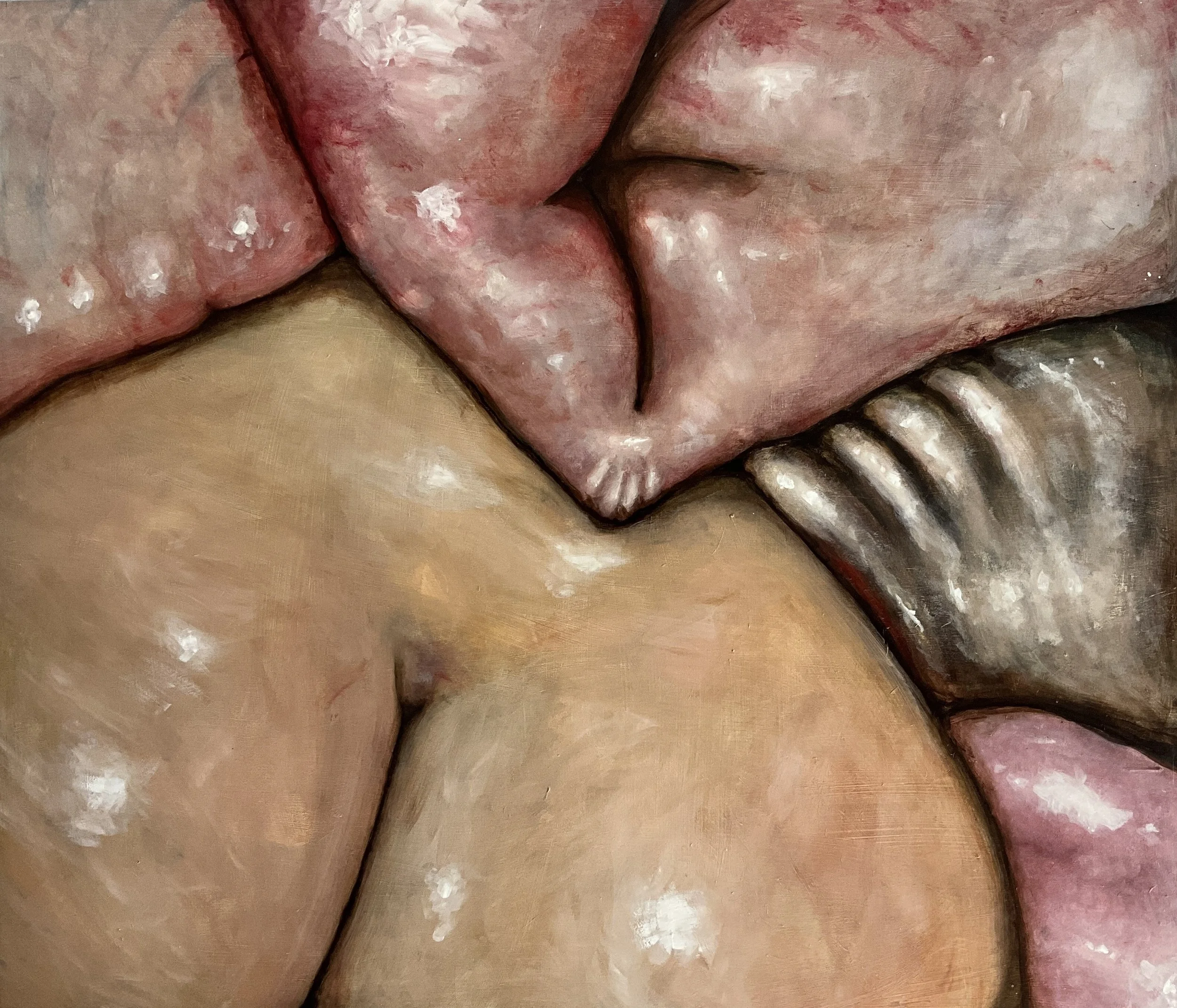
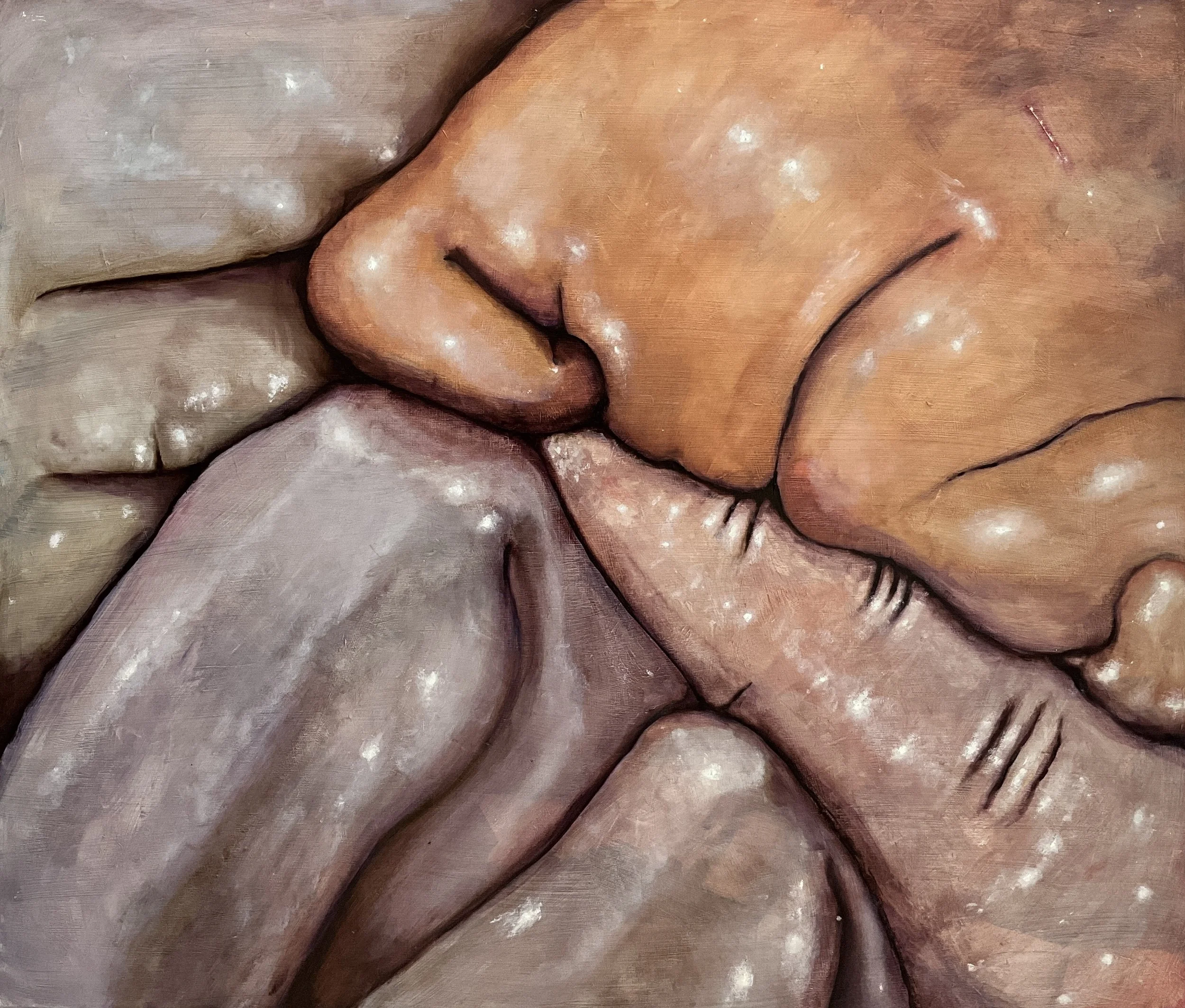
Amalgamation of Flesh
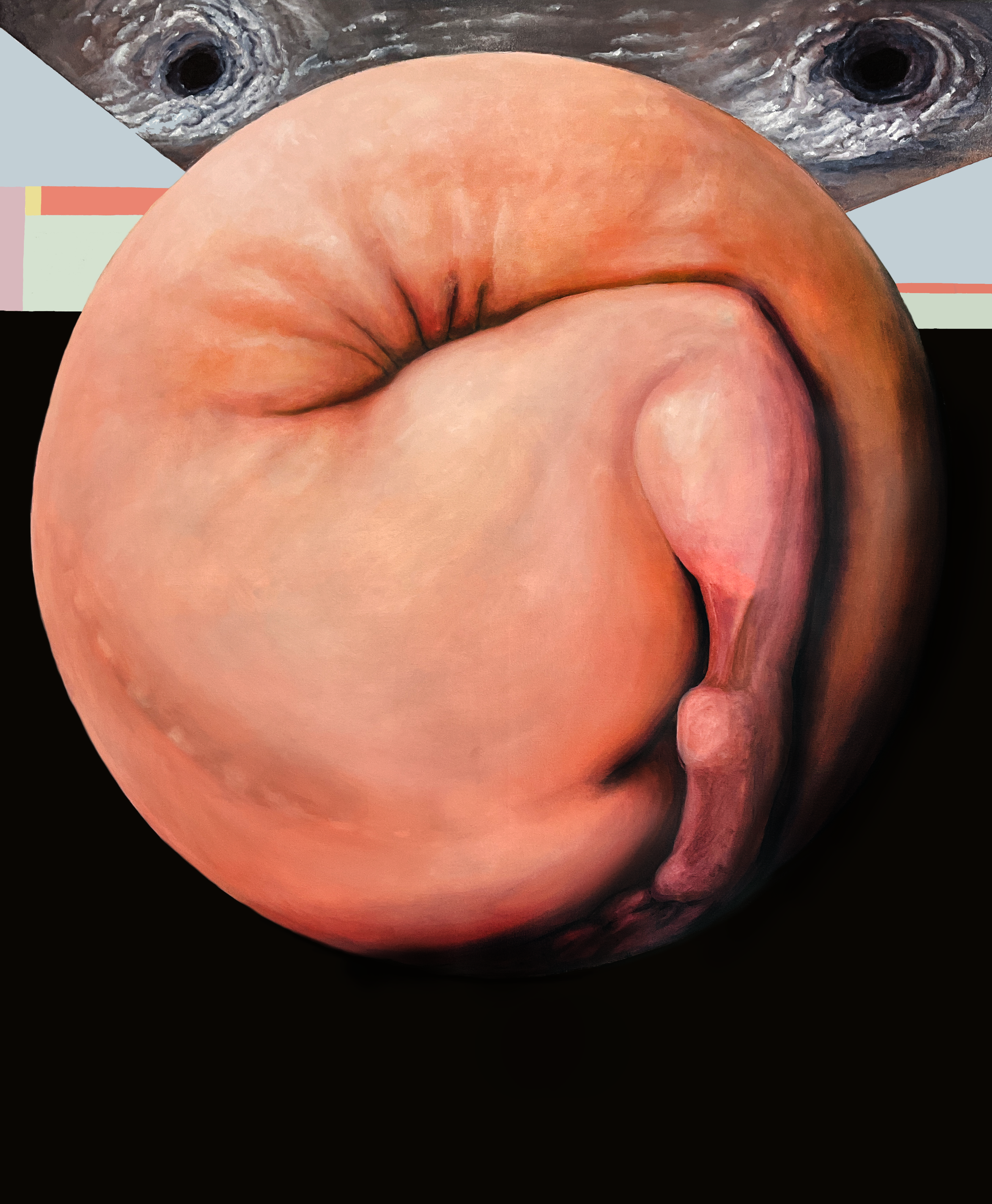
In Amalgamation of Flesh I & II, Shannen Muhl investigates the bizarre and often unsettling nature of the human form. Muhl describes the body as "these strange bags of flesh we inhabit, whose very essence becomes even more peculiar through what we do with them." This duality, simultaneously intimate and alien, forms the foundation of their exploration into themes of the uncanny, corporeal detachment, and the human desire for physical entanglement.
Drawing from the uncanny valley effect, Muhl paints fragmented, human-like body parts caught in moments of visceral entwinement. The forms writhe, push, and penetrate one another in ways that obscure their identity as human, abstracting them to a point where recognition teeters on the edge of ambiguity. This intentional distortion immerses the viewer in a space where the familiar becomes foreign, evoking both unease and fascination.
Through their use of abstraction, Muhl challenges the viewer to confront the inherent strangeness of the human body and its capacity for both connection and disconnection. The pieces provoke a tension between repulsion and allure, pulling the audience into an intricate exploration of flesh, form, and the complex relationships we hold with our own corporeality.
-
![]()
Amalgamation of Flesh I
120cm x 140cm oil on MDF 2024
-
![]()
Amalgamation of Flesh II
120cm x 140cm oil on MDF 2024
Time is but a Ripple
-
![]()
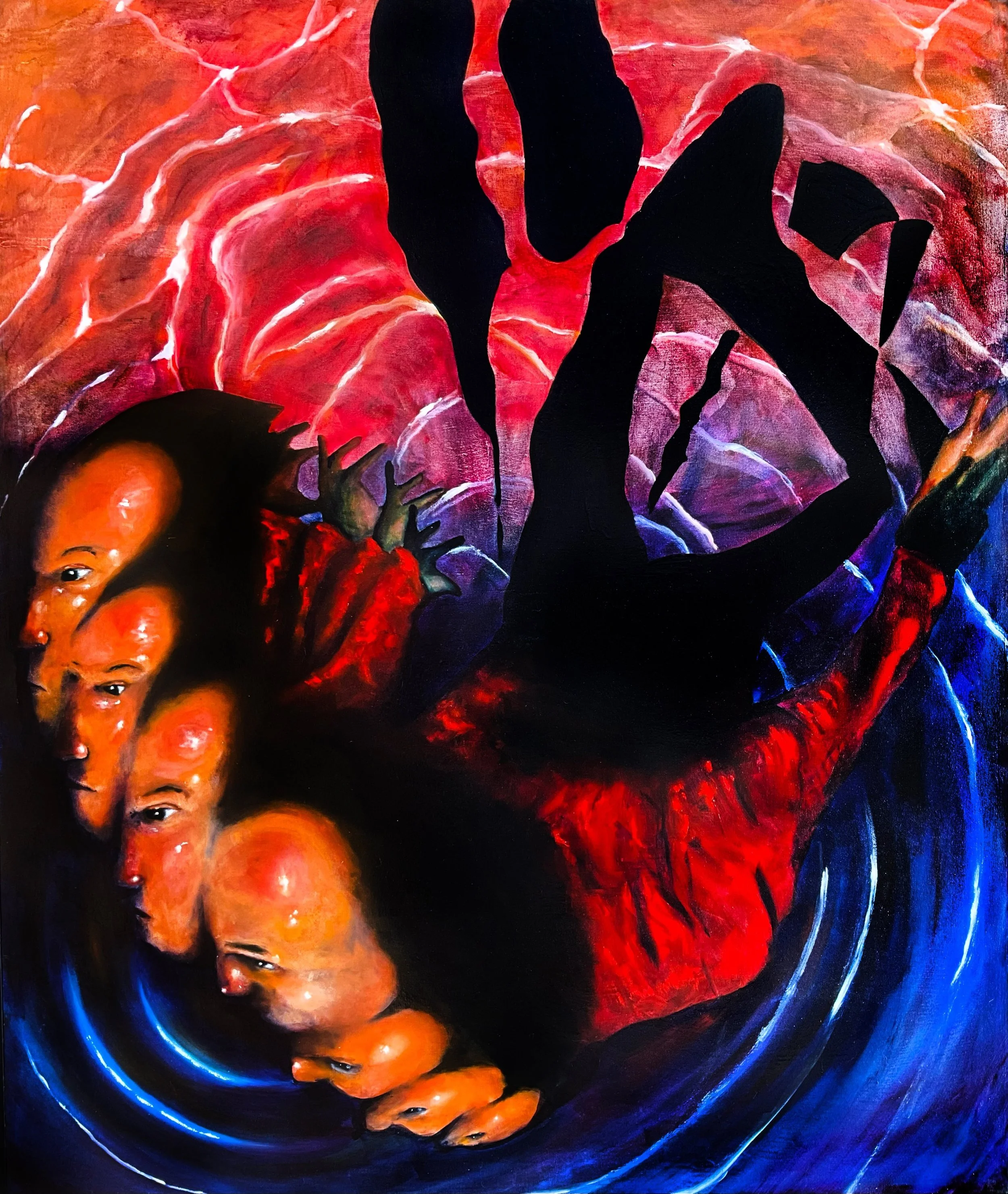
A Moment in Time
152cm x 183cm oil on canvas 2023
-
![]()
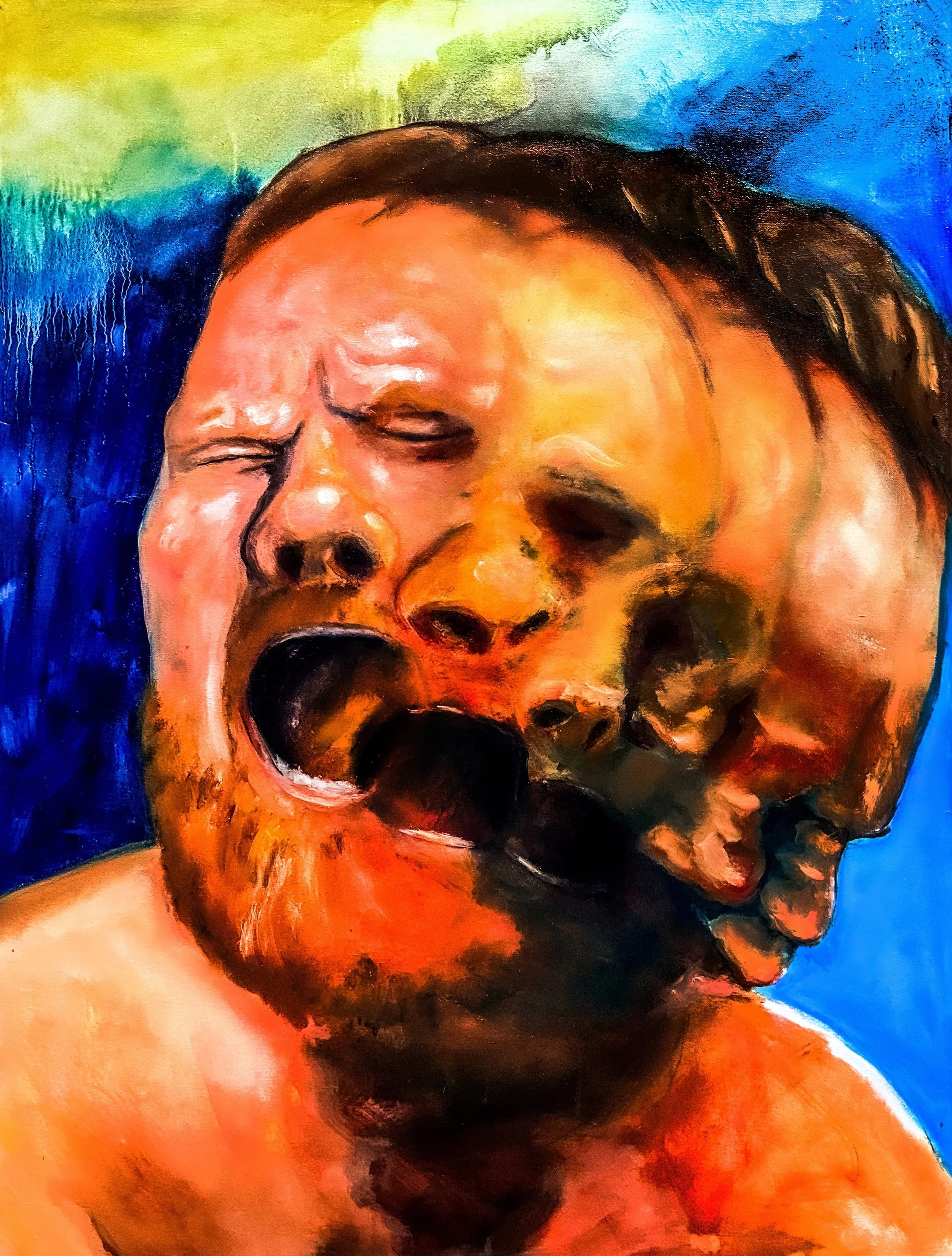
Moment to Self
76cm x 101cm oil on canvas 2023
In Mind
-
![]()
Id, Ego, Super Ego
76cm x 122 oil on canvas 2023
-
![]()
The Hermit
76cm x 122 oil on canvas 2023
-
![]()
Primordial State of Being
76cm x 122 oil on canvas 2023
Contact
If you wish to contact me please fill out the form below